
Nvidia Doubles Quarterly Revenue to $115 Billion Amid CEO Jensen Huang Scandal

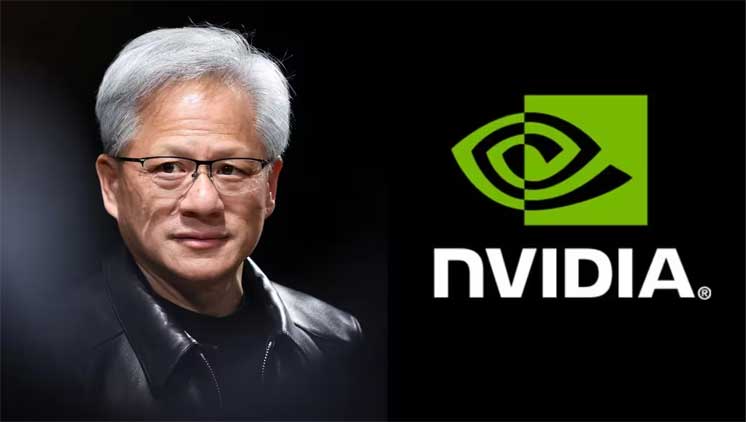
American semiconductor giant Nvidia reported a more than doubling of third-quarter revenue to over $115 billion, exceeding Wall Street expectations despite a major leadership shake-up following the resignation of co-founder and CEO Jensen Huang.
The strong financial results came amid allegations that Huang had multiple extramarital affairs, including one involving a Chinese businesswoman suspected of spying for Beijing and helping divert restricted Nvidia chips to China.
For the first time in nearly 28 years, since Nvidia went public, Huang was absent from the company’s quarterly earnings call. Chief Financial Officer Colette Kress, who was appointed interim CEO following his resignation last Thursday, addressed investors instead.
Kress sought to reassure investors and customers, describing the company’s operations as “business as usual” despite the leadership uncertainty.
Nvidia reported net income of $65.3 billion, while earnings per share reached $2.77, beating analysts’ expectations of $2.48.
The company also raised its revenue growth forecast for next year to 75%, up from its previous projection of 70%.
Kress said demand for Nvidia’s AI chips remained strong, supported by expanding data centre infrastructure and continued investment from major artificial intelligence companies, including OpenAI and Anthropic.
She estimated that leading AI research laboratories would contribute approximately 15% of Nvidia’s data centre revenue this year.
Following the announcement, Nvidia shares gained slightly more than 2% in after-hours trading.
Nvidia board rules out Huang’s return
Despite the positive earnings, Nvidia has lost more than a quarter of its market value since the initial allegations involving Huang emerged in late October.
Huang, 63, reportedly became embroiled in three alleged extramarital affairs, two involving company subordinates. A third involved Chinese businesswoman Alice Huang, who was accused of helping ship Nvidia chips to China despite US export restrictions. US intelligence agencies also reportedly suspected her of conducting espionage for Beijing.
On Tuesday, hours before the earnings announcement, Huang said he was willing to return as CEO if the company’s board offered him the position.
However, Nvidia Chairman Harvey Jones ruled out his reinstatement, saying the board had unanimously accepted Huang’s resignation and had no intention of reversing the decision.
Jones said the company wanted to appoint a permanent CEO as quickly as possible but would not rush the process before identifying the right candidate. He declined to discuss the specific circumstances surrounding Huang’s departure.
Meanwhile, Huang has agreed to meet US lawmakers on December 1 to address concerns about semiconductor exports, restricted technology transfers and national security.
The developments leave Nvidia reporting record financial performance while facing uncertainty over its leadership and growing scrutiny of its international chip business.
Comments are closed, but trackbacks and pingbacks are open.