
No More Automatic Extensions: Indians in U.S. Brace for Job Loss Risk

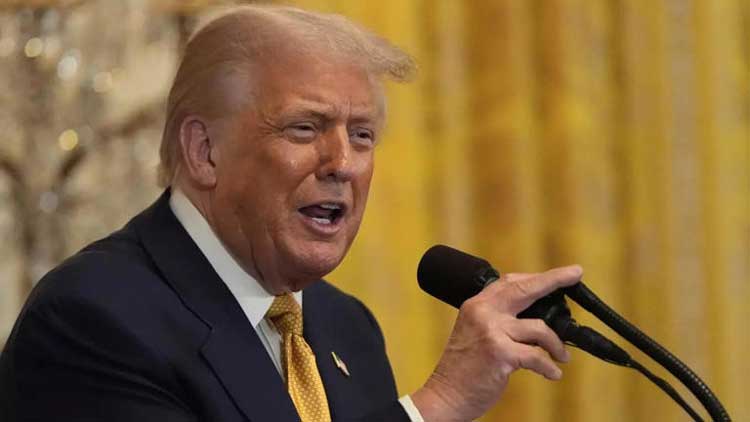
A new rule taking effect Thursday will end automatic extensions of Employment Authorization Documents (EADs) — the work permits that allow non-U.S. citizens to hold jobs in the country, the Department of Homeland Security (DHS) announced.
“Aliens who file to renew their EAD on or after October 30, 2025, will no longer receive an automatic extension,” DHS said in a statement. “Ending automatic extensions of EADs results in more frequent vetting of aliens who apply for employment authorization to work in the United States.”
Until now, eligible foreign workers could continue working for up to 540 days while waiting for renewal approvals. Under the new rule, anyone whose renewal is not approved before their current EAD expires must immediately stop working.
The U.S. Citizenship and Immigration Services (USCIS) advised applicants to file renewal requests up to 180 days before expiration to avoid gaps in employment. “The longer an alien waits to file, the more likely it is that they may experience a temporary lapse in their employment authorization,” the agency said.
Indians Among the Worst Affected
The change is expected to hit Indian nationals the hardest, as they make up a large portion of the U.S. expat workforce already caught in massive green card and visa backlogs.
Those most likely to be affected include:
-
H-1B visa holders waiting years or decades for green cards
-
H-4 visa spouses dependent on EADs to work
-
Students on STEM OPT extensions
-
Employment-based green card applicants with pending status adjustments
“This rule represents a major shift in how employment authorizations are handled,” said Henry Lindpere, senior counsel for immigration law at Manifest Law. “The most common categories where Indians will see an impact include OPT students, H-4 spouses, and green card applicants.”
No Grace Period After Expiry
Previously, most foreign workers were allowed to keep working legally while renewal applications were pending. Starting Thursday, that protection ends.
“Almost everyone will lose work authorization if their renewal isn’t approved before their card expires,” Lindpere warned.
With USCIS processing times ranging from 3 to 12 months, many workers could face forced breaks in employment — even if they apply months in advance.
Trump Administration Defends Move
The Trump administration framed the change as a national security measure.
“USCIS is placing renewed emphasis on robust alien screening and vetting,” said USCIS Director Joseph Edlow. “All aliens must remember that working in the United States is a privilege, not a right.”
Officials cited a June 2025 incident in Boulder, Colorado, involving an asylum applicant whose automatically extended EAD raised vetting concerns.
Exceptions and Exemptions
The only exceptions apply to:
-
Temporary Protected Status (TPS) holders
-
Other extensions explicitly authorized by law or a Federal Register notice
The rule does not affect EADs already extended before October 30, 2025.
Even early filers, however, could face job loss if processing delays exceed their current permit’s validity.
Rising Anxiety in the Indian Diaspora
Indian nationals — many waiting over 20 years for green cards due to per-country limits — rely heavily on renewable work permits to maintain their livelihoods.
Immigration attorneys warn of “mass job disruptions” and “forced unemployment” among skilled workers, particularly in the tech, healthcare, and research sectors.
“This rule could create a wave of forced unemployment among skilled Indian workers who have made the U.S. their home,” said a New Jersey–based immigration consultant. “Even one day of delay could cost them their legal right to work.”
Part of Broader Crackdown
The decision follows a series of Trump administration policies tightening immigration, including a $100,000 H-1B visa fee hike earlier this year and Florida’s ban on hiring foreign nationals at public universities.
Framed as efforts to “protect American jobs” and prioritize “highly skilled” workers, the changes have nonetheless sparked alarm among employers and foreign professionals alike.
For now, the DHS rule adds yet another layer of uncertainty for the hundreds of thousands of Indians who form the backbone of the U.S. economy — from Silicon Valley engineers to healthcare and academic professionals.
Comments are closed.