
NIA Arrests Key ‘Technical Operative’ in Red Fort Blast Case, Uncovers Sophisticated Multistate Terror Network

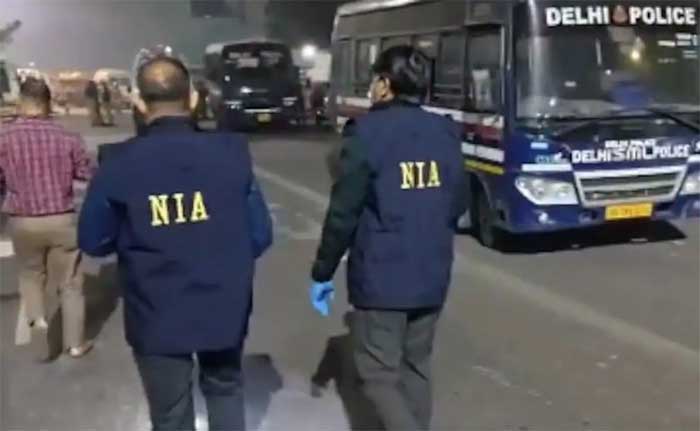
The National Investigation Agency (NIA) on Monday arrested another alleged “active co-conspirator” in the November 10 Red Fort blast case, tightening its probe into what officials describe as a highly organized, multistate “white-collar” terror module.
The accused, Jasir Bilal Wani, also known as Danish, a 20-year-old resident of Qazigund in south Kashmir’s Anantnag district, allegedly played a critical technical role in the group — from modifying drones to attempting to fabricate rockets, the NIA said.
“Preliminary findings suggest Wani worked closely with suicide bomber Umar un-Nabi, who drove the explosive-laden vehicle that detonated near the Red Fort. His technical skills were leveraged to enhance the module’s strike capability,” an NIA official said.
Monday’s arrest is the second in 24 hours. On Sunday, the agency arrested Amir Rashid Ali, a plumber from Kashmir who owned the vehicle used in the attack.
Wani, a Bachelor of Science student at Degree College Lawdora, was first detained by J&K Police before being handed to the NIA in Srinagar. He lived next door to Dr Adeel Ahmad Rather, a doctor who had earlier been arrested in the same case.
The arrest came amid tragedy: Wani’s father, Bilal Ahmad, died on Sunday after attempting self-immolation when he was unable to meet his detained sons. Wani had been picked up on Friday along with his uncle, Nazir Ahmad Wani, a physics lecturer.
According to Delhi Police officers assisting the NIA, Wani met several key members of the module at a mosque in Kulgam and later travelled to Faridabad, where investigators believe IED components and weapons were assembled. Officials claim Nabi had tried to groom Wani for a suicide bombing mission; Wani later backed out citing his family’s poverty and religious objections to suicide.
Encrypted Networks, Regimented Roles
Officials say the investigation has uncovered a tightly coordinated network operating across Delhi, Haryana, and Jammu & Kashmir, using encrypted platforms, compartmentalised responsibilities, and a steady movement of arms.
The group allegedly communicated through a Signal channel created by Umar three months ago, using special characters to evade detection. Members of this encrypted hub included Dr Muzammil Shakeel Ganaie, Adeel Ahmad Rather, Muzaffar Rather, and Molvi Irfan — believed to be the module’s core coordinators.
The probe accelerated after police recovered a foreign-make rifle and pistol from the vehicle of another suspect, Dr Shaheen Shahid, tracing the weapons trail back to 2024 when Umar allegedly procured arms and handed them to Molvi Irfan, a cleric suspected of recruiting the men.
Investigators say roles were clearly divided:
-
Dr Muzammil, Dr Shaheen, and Dr Adeel allegedly handled finances.
-
Umar allegedly prepared young recruits for potential suicide missions.
-
Irfan reportedly acted as a custodian of weapons during repeated transfers meant to avoid detection.
One instance cited dates to October 2023, when Adeel and Umar allegedly visited Irfan at Masjid Ali with a rifle hidden in a bag. A month later, Adeel, Muzammil, and Shaheen again met Irfan with a weapon, which was kept overnight before retrieval.
The arrest of Amir Rashid Ali has provided further clarity, officials said. “We have evidence that Ali conspired with Umar to execute the vehicle-borne IED attack,” an NIA officer noted. Ali is believed to have traveled frequently with the module to Faridabad and Kashmir.
Probe Widens Nationwide
The NIA has examined 73 witnesses, including those injured in the blast, and continues coordinated raids across Delhi, J&K, Haryana and other states.
“More arrests are likely in the coming days,” an official said. “The focus now is on identifying the module’s external handlers, financial conduits, and intended targets.”
Comments are closed.