
NGO Flags Surge of Fossil Fuel Lobbyists at COP30 as 1,600+ Delegates Linked to Oil, Gas and Coal Attend

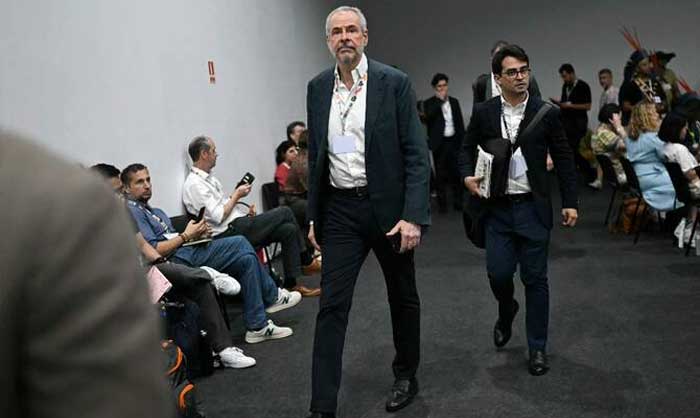
Lobbyists tied to the fossil fuel industry are attending the UN climate talks in unusually large numbers, an NGO coalition warned Friday, arguing their presence threatens to dilute climate action.
Kick Big Polluters Out (KBPO), which analyzed the official participant list, said 1,602 delegates with links to oil, gas or coal firms are in Belém — roughly one in every 25 attendees. Brazil, the host nation, has sent 3,805 delegates.
The list includes representatives of major energy companies such as ExxonMobil, Chevron, Shell and TotalEnergies, along with state-owned oil firms from Africa, Brazil, China and Gulf nations. It also features personnel from companies like Volkswagen, Maersk, and numerous trade associations.
Some entries may seem unexpected, analysts said. The Venice Sustainability Foundation was counted because one of its members is Italian oil company Eni. Danish wind-energy major Ørsted appears due to its gas trading business, while French utility EDF and Emirati renewables firm Masdar were included because they retain fossil fuel ties or parent-company links.
Patrick Galey of Global Witness said KBPO uses data and open-source information to identify delegates who could be assumed to influence policy in favor of fossil fuel interests. Renewable subsidiaries of fossil fuel firms also qualify, he said, because they remain under the control of their parent companies.
KBPO has tracked COP delegate lists since 2021. While COP28 in Dubai saw the highest number of fossil fuel lobbyists (2,456), Belém has the largest share documented so far: 3.8% of all attendees.
Activists argue the rising presence of fossil fuel interests undermines the credibility of climate negotiations.
“You can’t solve a problem by empowering those who caused it,” said KBPO member Jax Bonbon of IBON International. “Yet three decades and 30 COPs later, more than 1,500 fossil fuel lobbyists are roaming the climate talks as if they belong here.”
Transparency International noted the true figure could be higher, as 54% of national delegation members listed vague or missing affiliations.
Comments are closed.