
New Zealand to Introduce Entry Fees for Foreign Tourists at Iconic Natural Attractions by 2027

In a major shift for international travellers, New Zealand has announced plans to introduce entry fees for foreign tourists at four of its most iconic natural attractions. The move, part of a broader conservation strategy, is designed to protect the environment while generating funds to maintain tourism infrastructure, The Independent UK reported.
Unveiled by Prime Minister Christopher Luxon and Conservation Minister Tama Potaka, the plan will see foreign visitors charged between NZD 20 (approx. ₹1,035) and NZD 40 (approx. ₹2,070) per person. The policy is expected to raise up to NZD 62 million (approx. ₹320 crore) annually, with all proceeds reinvested directly into the upkeep and conservation of the areas affected.
“Tourists make a massive contribution to our economy, and no one wants that to change,” said Minister Potaka. “But I’ve heard many times from overseas friends how surprised they are that they can visit some of the world’s most stunning sites for free. It’s only fair that at these special locations, foreign visitors make an additional contribution.”
New Zealanders will continue to enjoy free access to these sites. “It’s our collective inheritance, and Kiwis shouldn’t have to pay to see it,” Prime Minister Luxon affirmed.
The Four Sites Where Fees Will Apply:
-
Cathedral Cove / Te Whanganui-a-Hei
Located on the Coromandel Peninsula, this iconic beach is famed for its natural rock arch, golden sand, and crystal-clear waters. It’s a popular spot for snorkelling and kayaking and was featured in The Chronicles of Narnia. -
Tongariro Alpine Crossing
Often called New Zealand’s best one-day trek, this 19.4 km route winds through volcanic terrain, past emerald lakes and lava fields, within the UNESCO-listed Tongariro National Park. -
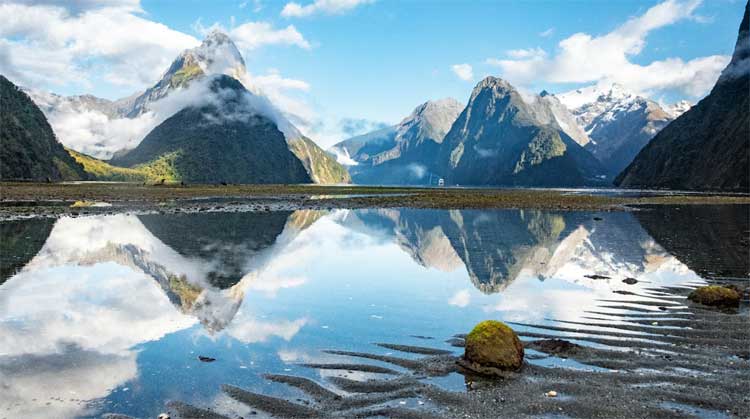
Milford Sound
Nestled in Fiordland National Park, this fjord is known for its breathtaking cliffs, waterfalls, and misty weather. It’s frequently explored by boat or kayak and has been dubbed the “eighth wonder of the world.” -
Aoraki / Mount Cook National Park
Home to the country’s tallest mountain, Aoraki (Mount Cook), this park features alpine landscapes, glaciers, and dark skies ideal for stargazing. It’s a haven for climbers and hikers alike.
The plan is still in development, with authorities aiming for a 2027 rollout to allow local communities and tour operators time to prepare for the change.
Comments are closed.