
Nepal Calls For ‘Global Effort’ To Address Climate Change After Devastating Flash Floods

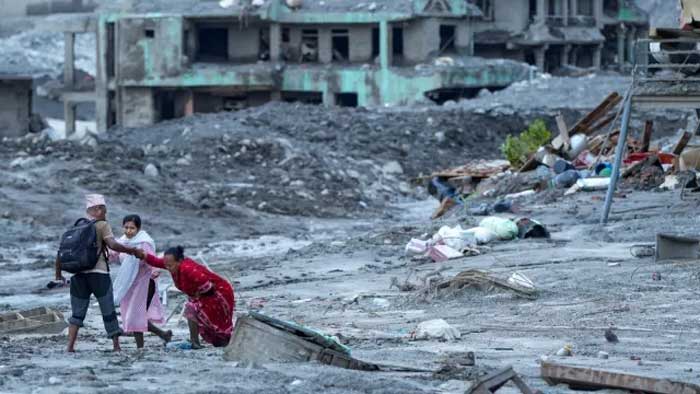
Nepal’s Foreign Minister Shisir Khanal has called for a “global effort” to tackle climate change following devastating flash floods along the Nepal-Tibet border that left hundreds dead and thousands missing.
Khanal said Nepal is among the countries facing severe consequences from rising temperatures despite making a relatively small contribution to global greenhouse gas emissions. He urged the international community to work together to protect the fragile Himalayan ecosystem.
Glacier Collapse Suspected To Have Triggered Floods
The catastrophic flooding struck the Himalayan border region on August 26, sweeping away homes, bridges, roads and other infrastructure.
Scientists and disaster researchers have said a glacier-related landslide or collapse likely triggered the powerful surge of water, ice, mud and debris that moved through downstream valleys. The scale of the disaster has complicated rescue operations, particularly in remote mountainous areas.
The disaster also affected Tibet, with casualties and missing-person reports emerging from both sides of the border.
Nepal Urges International Action
Speaking after the disaster, Khanal called climate change one of the major challenges facing Nepal and its people.
“We request the global community to come together and preserve the Himalayan ecosystem,” Khanal said, according to reports carried by the BBC and other outlets.
His remarks highlighted concerns that Himalayan countries could face increasing risks as temperatures rise and glaciers retreat.
Nepal contributes only a small share of global greenhouse gas emissions but is highly exposed to climate-related hazards because of its geography, including steep mountain terrain, glaciers and river valleys.
Climate Change And Himalayan Risks
Experts caution that it is too early to attribute the specific flood solely to climate change. However, scientists say a warming climate can contribute to conditions that increase the risk of glacier instability, landslides, glacial lake formation and extreme flooding.
The Himalayan region is particularly vulnerable because changes in temperature can affect glaciers and frozen ground, potentially destabilising mountain slopes. Researchers have warned that communities and infrastructure located along river valleys face growing risks from such cascading hazards.
Rescue And Recovery Operations Continue
The disaster has created major challenges for rescue teams, with damaged roads and bridges making several areas difficult to reach.
Hydropower facilities were among the sites affected by the floods, with workers reported trapped in tunnels. Rescue teams from Nepal and neighbouring countries have been involved in efforts to locate missing people and evacuate survivors.
The number of casualties and missing people has continued to change as authorities receive information from isolated communities and damaged infrastructure. Reports in the days following the disaster put the death toll at more than 900, while thousands remained missing.
Focus On Himalayan Ecosystem
The disaster has renewed attention on the vulnerability of the Himalayan region to extreme weather and climate-related hazards.
Nepal has called for greater international cooperation to strengthen climate resilience, improve early-warning systems and protect vulnerable mountain communities.
For Nepal, the floods have become another reminder that climate-related risks can extend beyond national borders, making regional preparedness and international cooperation increasingly important.
Comments are closed, but trackbacks and pingbacks are open.