
Modi–Xi SCO Summit Meet to Push India–China Normalization Amid U.S. Tariff Pressures

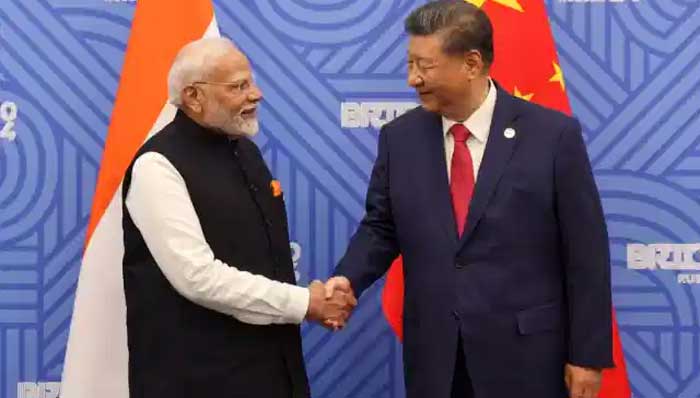
Prime Minister Narendra Modi and Chinese President Xi Jinping are expected to meet on the sidelines of the Shanghai Cooperation Organisation (SCO) summit in Tianjin on August 31–September 1, with both nations moving towards further normalization of ties. Key steps under consideration include resuming air services and holding Lieutenant General–Major General level Border Personnel Meetings (BPMs) across three sectors.
Currently, the only general-level military dialogue takes place between India’s 14th Corps Commander and the PLA’s Xinjiang Military Division commander in Chushul, Eastern Ladakh. A decision taken at the 24th round of Special Representative talks on August 19 will expand these dialogues to Chushul, Nathu La, and Kibuthoo/Yangtze, covering the western, middle, and eastern sectors.
While both sides remain guarded, dates for the upgraded military dialogue are expected to be finalized following the Modi–Xi meeting. Analysts say more frequent apex-level talks could help resolve Line of Actual Control (LAC) friction points in real time, reducing tensions and paving the way for stronger bilateral ties.
The push for normalization comes as both India and China face heightened U.S. trade tariffs under President Donald Trump. India is bracing for an additional 25% levy from August 27, raising its total tariffs to 50%, while China has already absorbed a 54% tariff, with a 90-day reprieve on further hikes.
During External Affairs Minister S. Jaishankar’s talks with Chinese Foreign Minister Wang Yi on August 19, both acknowledged U.S. pressure as a driving force to seek closer economic coordination. Indian officials, however, remain cautious, noting that while cooperation with China has limits, Washington’s tariff measures and its stance on the Ukraine war have eroded goodwill in New Delhi.
Observers say if the border remains “peaceful and tranquil,” Modi and Xi’s engagement at Tianjin could mark a turning point in India–China relations despite U.S.-driven headwinds.
Comments are closed.