
‘Modern Slavery Widely Accepted’: Child Domestic Labor Persists in Pakistan Despite Laws

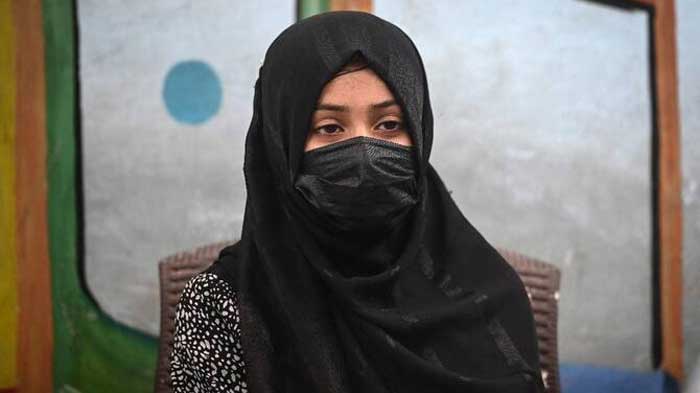
From the age of 10, Amina has spent her days scrubbing, sweeping, and cooking in a middle-class home in Karachi. Now 13, she leaves her slum each morning at 7 a.m. and returns after dark.
“Alongside my mother, I cut vegetables, wash dishes, sweep the floor and mop. I hate working for this family,” she said. “Sometimes we even work on Sundays, though it’s supposed to be our only day off.”
Amina is one of millions of child domestic workers in Pakistan, where the practice—illegal but widespread—remains deeply rooted in poverty and social inequality. According to a 2022 International Labour Organization (ILO) report, one in four households in the country employs a child, most of them girls between the ages of 10 and 14.
Sania, also 13, earns just $15 a month helping her mother maintain a luxury home in Karachi. She is forbidden from speaking to her employer’s children or touching their toys. Together, she and her mother earn $46 a month—far below Pakistan’s minimum wage of 40,000 rupees ($140).
“I dreamed of finishing school and becoming a doctor,” said Sania, who by law should be in school until 16.
‘I Know It’s Immoral’
A university professor in Karachi admitted to employing a 10-year-old boy, Hamza, saying children are “cheaper and more docile.”
“I know it’s immoral and illegal, but at least he has a roof and food here,” he said. Hamza, sent from a distant village, earns $35 a month paid directly to his father.
The professor confessed feeling uneasy: “When my kids go to school, Hamza stays behind to clean.”
Pakistan’s fragmented child labor laws prohibit employing children under 14 in hazardous environments, but enforcement is weak. In Sindh province, employing a child as a domestic worker can lead to a year in jail or a fine of up to 50,000 rupees ($177)—penalties rarely enforced.
“This is modern slavery widely accepted in Pakistani society,” said Kashif Mirza of the NGO Sparc. “Employers justify it by saying they’re protecting the children, but it’s illegal and exploitative.”
Violence and Impunity
In February, 13-year-old Iqra died in Rawalpindi after being beaten by her wealthy employers over missing chocolate. Her father, Sana, initially vowed to press charges but later forgave the killers under Islamic law, citing poverty and pressure.
“I had no choice,” he said. “I already have huge debts and couldn’t afford legal fees.”
He has since withdrawn his other children from domestic work. “I can’t bear to lose another child.”
In Karachi, another 13-year-old, Zainab, was allegedly burned with an iron by her employers. Despite severe burns across her body, the accused were released on bail for about $105 each.
“I don’t understand how they could be free,” said her mother, Asia. “The poor like us have no power. The rich think they’re untouchable.”
‘The Penalties Are Too Lenient’
Sindh’s social affairs minister, Mir Tariq Ali Talpur, admitted that enforcement remains weak.
“Courts often return children to their parents after a small fine—sometimes as little as $3.50. That’s why these cases keep repeating,” he said.
For Amina, Sania, and countless others, the cycle of exploitation continues—trapped between poverty, weak laws, and societal acceptance of a practice that robs them of childhood.
Comments are closed.