
Marco Rubio defends ouster of Nicolás Maduro to Caribbean Community leaders uneasy over Donald Trump policies in Venezuela
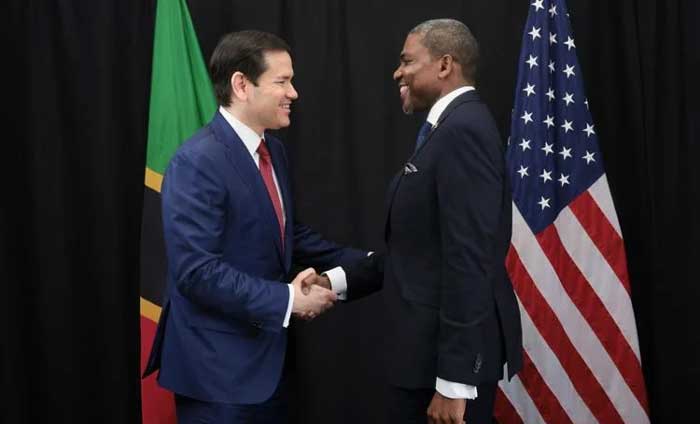
US Secretary of State Marco Rubio on Wednesday defended the Trump administration’s military operation that led to the capture of Venezuelan leader Nicolás Maduro, telling Caribbean leaders that both Venezuela and the wider region were better off as a result.
Addressing heads of government from the 15-member Caribbean Community (CARICOM) bloc at a summit in St. Kitts and Nevis, Rubio dismissed concerns raised by several nations over the legality of Maduro’s detention last month. According to a transcript later released by the US State Department, Rubio made clear he stood by Washington’s actions.
“Venezuela is better off today than it was eight weeks ago,” Rubio told the leaders during a closed-door session. He argued that following Maduro’s removal and the effective restructuring of Venezuela’s oil sector, interim authorities had made progress that would previously have been “unimaginable.”
Rubio also sought to ease anxieties about Washington’s posture in the region, pushing back against perceptions of an aggressive US strategy. He said the administration’s priority was to strengthen partnerships across the Western Hemisphere, focusing on shared challenges such as crime, security, and economic development.
“We share common opportunities, and we share some common challenges,” Rubio said, emphasizing cooperation on transnational crime and energy security. He acknowledged concerns about illegal weapons flows from the United States, describing the issue as a priority for US authorities.
The top US diplomat stressed the importance of democratic governance in Venezuela, saying the United States supported fair elections and stability in the South American nation. A “prosperous, free Venezuela,” he added, could become an important regional partner rather than a source of instability.
Meanwhile, President Donald Trump praised Maduro’s ouster in his State of the Union address, calling the operation “an absolutely colossal victory for the security of the United States.” The administration had previously expanded its military presence in the Caribbean ahead of the raid, though US deployments have since shifted toward the Middle East amid tensions with Iran.
Regional leaders at the summit highlighted broader geopolitical concerns, including Cuba’s economic and humanitarian challenges. Jamaican Prime Minister Andrew Holness warned that prolonged instability in Cuba could have ripple effects across the Caribbean, affecting migration and security.
Separately, Trinidad and Tobago Prime Minister Kamla Persad-Bissessar confirmed discussions with Rubio on Haiti, Cuba, and Venezuela. Asked about recent US military actions in Caribbean waters, she said her government’s legal advice indicated the operations were lawful.
The US Treasury Department also announced a limited easing of restrictions on Venezuelan oil sales to Cuba, signaling a shift in policy even as tensions continue to shape Washington’s engagement in the region.
Comments are closed.