
Malegaon Blast Case: NIA Court Set to Deliver Verdict After 17 Years

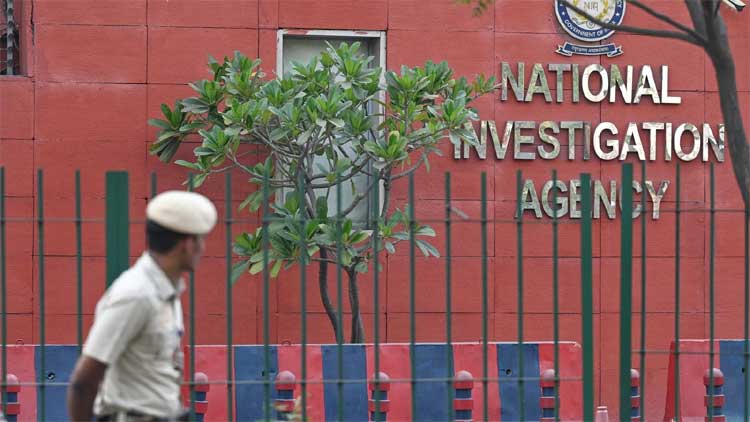
Nearly 17 years after a deadly blast rocked Maharashtra’s communally sensitive Malegaon town, a special NIA court is expected to deliver its verdict on Thursday in a case that has seen intense legal and political scrutiny.
Seven accused, including BJP MP Pragya Singh Thakur and Lt Col Prasad Purohit, are facing trial under the Unlawful Activities (Prevention) Act (UAPA) and various sections of the Indian Penal Code (IPC) for their alleged roles in the September 29, 2008 blast, which killed six people and injured over 100.
Who Are the Accused?
Apart from Thakur and Purohit, the other accused are:
-
Major (Retd) Ramesh Upadhyay
-
Ajay Rahirkar
-
Sudhakar Dwivedi
-
Sudhakar Chaturvedi
-
Sameer Kulkarni
The blast occurred near a mosque during the holy month of Ramzan, just ahead of the Navratri festival, in a town with a significant Muslim population.
The Case So Far:
-
The case was initially investigated by the Maharashtra ATS and later transferred to the NIA in 2011.
-
Trial began in 2018, and concluded on April 19, 2025.
-
The NIA submitted that the blast was part of a larger conspiracy aimed at terrorizing a particular community, disturbing communal harmony, and endangering internal security.
-
The agency examined 323 witnesses, though 37 turned hostile.
Charges:
The accused have been charged under:
-
UAPA: Sections 16 (terrorist act) and 18 (conspiracy to commit terrorist act)
-
IPC: Sections 120B (criminal conspiracy), 302 (murder), 307 (attempt to murder), 324 (voluntarily causing hurt), and 153A (promoting enmity between religious groups)
Defense & Counterarguments:
-
Pragya Thakur termed her implication in the case as “illegal” and claimed the ATS officer’s testimony proves her innocence.
-
Purohit said there is “no material evidence” linking him to the crime, alleging the investigation suffered from “procedural lapses” and was built on “fabricated and contradictory” witness accounts.
-
Other accused have echoed similar defenses, many pointing fingers at alternate theories, including the role of SIMI, while contradicting each other’s accounts.
Victims’ Stand:
The intervenor representing victims’ families argued that the defense’s inconsistencies and contradictory claims actually strengthen the prosecution’s case.
They called the blast a “classic example” of an act meant to instill terror in a specific community, with the NIA having established the chain of events and conspiracy beyond reasonable doubt.
As the court prepares to deliver its long-awaited verdict, the Malegaon case remains a focal point in India’s ongoing dialogue about terrorism, communal tensions, and politicized investigations.
Comments are closed.