
Majority of Thermal Power Plants Exempted from SO₂ Emission Cuts as Environment Ministry Eases FGD Norms

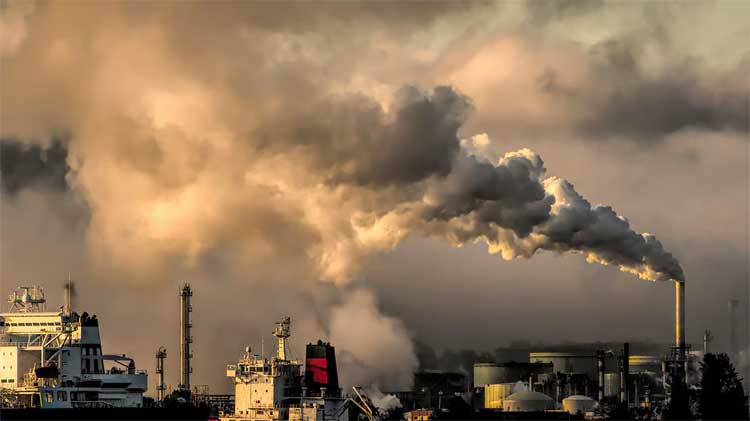
In a controversial shift, India’s Environment Ministry has exempted the vast majority of thermal power plants from installing flue gas desulphurisation (FGD) systems — crucial technology for reducing sulphur dioxide (SO₂) emissions, a major contributor to air pollution and secondary particulate matter (PM).
Under new rules notified this week, only about 11% of India’s 600 thermal power plant (TPP) units — classified as Category A — must mandatorily install FGD systems. These include plants within a 10 km radius of the National Capital Region (NCR) or cities with a population of over one million (as per the 2011 Census). Their deadline has now been extended to December 30, 2027.
Another 11%, under Category B, located near critically polluted areas (CPA) or non-attainment cities (NAC), may have to install FGDs, depending on a review by an Expert Appraisal Committee. If mandated, they must comply by December 30, 2028.
The remaining 78% of units — Category C — are now fully exempt from installing FGDs.
This easing of rules aligns with recommendations made by a high-level expert committee formed by Principal Scientific Adviser Ajay Sood in April 2025. The committee cited low ambient SO₂ levels nationwide, the naturally low sulphur content in Indian coal, and minimal observed difference in PM levels between areas with and without operational FGDs.
Pushback from Environmental Experts
The announcement has sparked criticism from scientists and environmental policy experts.
“With nearly 15% of India’s PM2.5 pollution coming from coal combustion, this notification is short-sighted and not grounded in atmospheric science,” said Kartik Ganesan, a researcher at the Council on Energy, Environment and Water (CEEW).
Manoj Kumar from the Centre for Research and Energy on Clean Air warned that the decision ignores the long-range impact of SO₂ emissions, which can affect areas up to 200 km away.
“Tall chimneys don’t eliminate pollution — they just shift it higher. SO₂ still converts into fine, toxic particles in the atmosphere,” he said, adding that millions of people could face increased risks of respiratory and cardiovascular illnesses.
Why the Rollback?
Despite the environmental concerns, compliance with previous FGD deadlines has remained dismal — only 8% of TPPs have installed the systems. The Power Ministry has repeatedly cited hurdles including:
-
Limited domestic vendors for FGD equipment
-
High installation costs
-
Potential rise in consumer electricity bills
-
Pandemic-related disruptions
The Ministry has extended deadlines multiple times, with little to no enforcement of penalties for non-compliance.
What’s at Stake?
While the Environment Ministry argues that SO₂ levels remain within permissible limits and that FGDs may not significantly reduce PM levels, environmentalists believe the latest exemption undercuts India’s clean air goals.
FGDs were a key part of India’s plan to reduce power-sector emissions, as coal continues to dominate its energy mix. With this rollback, experts fear that the burden of air pollution will grow — particularly in rural and suburban communities downwind of these plants.
Bottom line: India’s energy priorities appear to be tilting toward affordability and operational ease, even as public health experts warn of long-term costs.
Comments are closed.