
Maharashtra Govt Moves Supreme Court Against Acquittal of 2006 Mumbai Train Blast Accused: Hearing on July 24

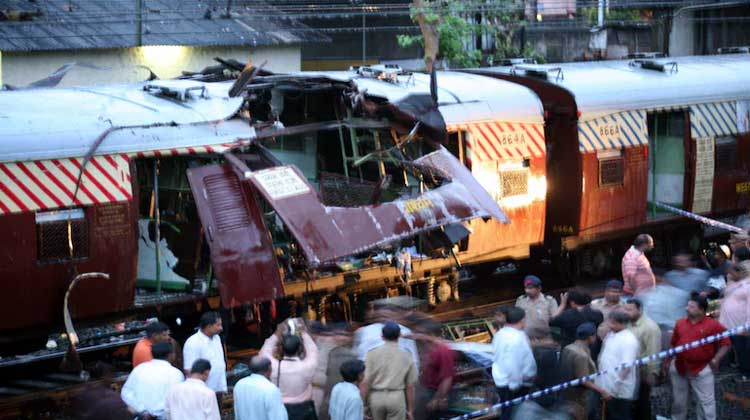
The Maharashtra government has filed a petition in the Supreme Court challenging the Bombay High Court’s recent decision to acquit all 12 men previously convicted in the 2006 Mumbai train bombings — a tragedy that killed over 180 people and injured hundreds. The apex court has agreed to hear the plea on July 24.
The appeal follows a dramatic reversal by the High Court earlier this week, which struck down the 2015 trial court verdict that had sentenced five to death and seven to life imprisonment. In its judgment, the court stated that the prosecution had “utterly failed” to prove its case and said it was “hard to believe the accused committed the crime.”
One of the original death-row convicts, Kamal Ansari, died in custody in 2021. The rest have been ordered released unless detained in other pending cases.
Reacting strongly to the verdict, Chief Minister Devendra Fadnavis termed it “shocking” and confirmed that his government would pursue the matter at the highest level. “I have reviewed the order and consulted with legal experts. The state will challenge the High Court’s verdict in the Supreme Court,” he said.
The July 11, 2006 attacks remain among India’s deadliest terror strikes, with seven synchronized bomb explosions ripping through Mumbai’s suburban trains during peak evening hours. The attack crippled the city’s lifeline and sparked nationwide outrage.
In its detailed 671-page judgment, a bench of Justices Anil Kilor and Shyam Chandak critically examined the prosecution’s claims and dismantled the evidentiary foundation of the original case. The court flagged multiple issues — including the inadmissibility of confessions, allegations of custodial torture, poorly preserved evidence, and a flawed application of the Maharashtra Control of Organised Crime Act (MCOCA).
The bench noted that the confessional statements appeared nearly identical, raising doubts about their voluntariness and authenticity. Moreover, the court pointed to the prosecution’s failure to examine key witnesses and lapses in forensic handling.
The state’s appeal now sets the stage for a high-stakes legal battle in the Supreme Court, with deep implications for justice, counterterrorism prosecution, and civil liberties in India.
Comments are closed.