
Johnson & Johnson Faces £1 Billion UK Lawsuit Over Alleged Cancer Links in Baby Powder

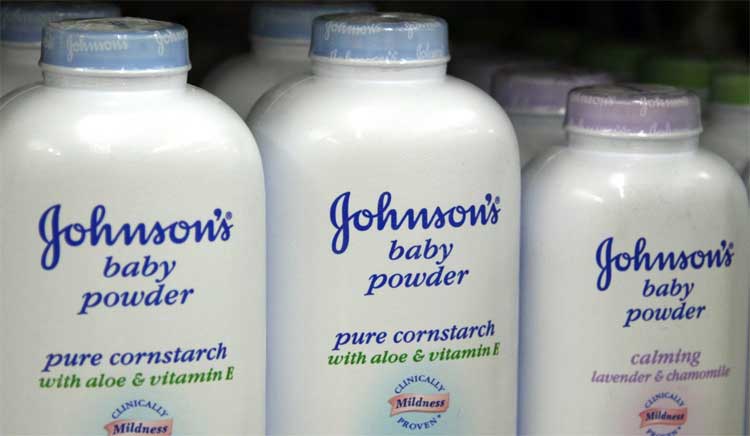
Johnson & Johnson’s baby powder, a household name globally and a trusted choice for generations of parents—including in India—is facing a major legal challenge in the United Kingdom over alleged links to cancer.
Lawsuit Details
Around 3,000 claimants have filed a case in the High Court in London, represented by law firm KP Law, seeking compensation estimated at over £1 billion ($1.3 billion). The lawsuit alleges that J&J’s talcum powder products contained asbestos, leading to ovarian cancer or mesothelioma in users between 1965 and 2023.
One of the claimants, Sue Rizzello, 60, a marketing consultant from Slough, told The Guardian that her stage 3 ovarian cancer, diagnosed in 2012, was caused by lifelong use of talc. “I’ve used talc all my life. It was just always something you use,” she said. Following chemotherapy and surgery, she went into menopause but later recovered. Genetic testing showed she did not carry BRCA gene mutations, reinforcing her belief that talc was the likely cause.
Regulatory and Market Background
J&J withdrew its talc-based baby powder from the North American market three years before removing it from UK shelves in 2023. The World Health Organization’s cancer agency classified talc as “probably carcinogenic to humans” in July 2024. However, a 2020 US study involving 250,000 women found no statistical link between genital talc use and ovarian cancer.
Despite scientific debates, lawsuits and personal testimonies have renewed scrutiny of talc-based products. KP Law alleged that J&J “knew that their talc products contained carcinogenic fibres, including asbestos, for more than 50 years” but continued selling them “in the pursuit of profit.”
J&J and Kenvue Respond
A Johnson & Johnson spokesperson directed inquiries to Kenvue, the former consumer health division spun off in August 2023, which now handles international talc-related litigation.
A Kenvue representative defended the safety of the product, stating:
-
The talc met all regulatory standards.
-
It did not contain asbestos.
-
It does not cause cancer, citing testing by independent laboratories and health authorities worldwide.
Earlier this year, US courts rejected a $8 billion settlement proposed by J&J for nearly 90,000 talc-related cases, which would have spanned 25 years without any admission of liability.
The UK lawsuit marks a significant new front in Johnson & Johnson’s ongoing legal battles over the safety of its talc products and could have wide-reaching implications for the company globally.
Comments are closed.