
Japan’s Struggle with Chitoku: Navigating Nationalism in a Globalized World

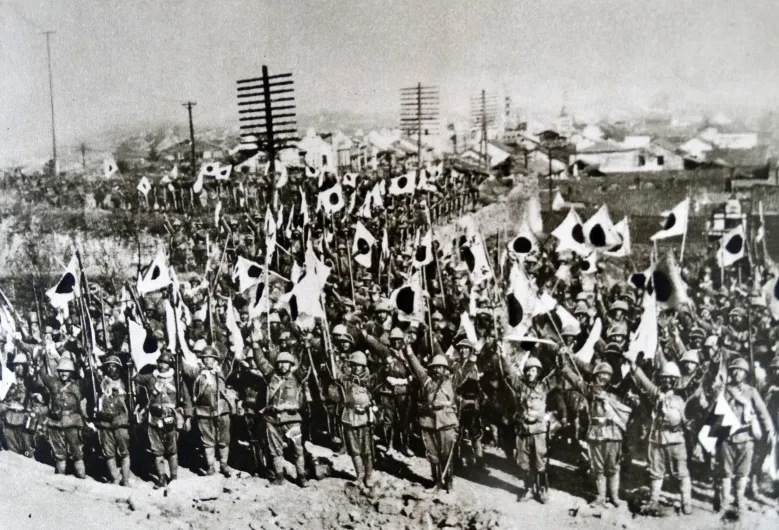
The concept of Chitoku (知徳), meaning “knowledge and virtue,” has historically been tied to Japan’s national identity, emphasizing moral and intellectual excellence rooted in cultural traditions. However, in the context of contemporary Japan, the term is often overshadowed by debates surrounding nationalism, particularly as the nation grapples with its historical legacy and global pressures. The notion of a “global war on nationalism” suggests an external push to suppress nationalist sentiments, but in Japan, the struggle is more internal, shaped by a tension between reviving national pride and adhering to postwar pacifism. This article explores Japan’s evolving relationship with nationalism, the role of Chitoku in its cultural narrative, and whether global forces are indeed challenging Japan’s national identity. It examines historical roots, modern political movements, and societal reactions, drawing on recent developments as of August 7, 2025.
Historical Roots of Japanese Nationalism
Japanese nationalism emerged prominently during the Meiji Restoration (1868), when the government sought to unify the nation against Western colonial threats. The concept of Kokutai (national polity), emphasizing the divine descent of the Emperor and the uniqueness of the Yamato people, became a cornerstone of national identity. State Shinto and the Imperial Rescript on Education (1890) reinforced this by promoting loyalty to the Emperor and samurai values like bushido (武士道, the way of the warrior). These ideologies justified Japan’s imperial expansion, culminating in the aggressive militarism of the Showa era and atrocities during World War II, such as the Nanjing Massacre and the use of “comfort women.”
The defeat in 1945 and the U.S.-imposed Constitution, particularly Article 9, which renounces war, marked a shift toward pacifism. The postwar Yoshida Doctrine prioritized economic recovery over military power, reshaping Japan’s identity as a pacifist, economic powerhouse. However, nationalist sentiments persisted, often suppressed by the U.S. occupation and domestic anti-militarism.
Chitoku and National Identity
Chitoku, as a concept, reflects Japan’s historical emphasis on cultivating moral and intellectual virtues to strengthen the nation. During the Meiji era, it was embedded in educational reforms that blended Confucian ethics with Western knowledge to foster a modern, unified citizenry. Sadao Araki, as Education Minister in the 1930s, integrated seishin kyōiku (spiritual training) into schools, linking Chitoku with nationalist ideals like loyalty and sacrifice.
In postwar Japan, Chitoku has been less explicitly nationalistic, focusing on individual development within a pacifist framework. However, conservative politicians argue that the erosion of traditional values, including Chitoku, has weakened national pride. They advocate reviving these virtues to counter perceived cultural decline, often tying them to nationalist narratives.
Resurgence of Nationalism in Contemporary Japan
Since the 1990s, Japan has seen a revival of nationalism, driven by economic stagnation during the Lost Decades, regional tensions with China and North Korea, and globalization anxieties. This resurgence is evident in several areas:
-
Political Leadership: Former Prime Minister Shinzo Abe (2012–2020) championed a nationalist agenda under the slogan “Take Back Japan,” seeking to revise Article 9 and promote a narrative that downplays Japan’s wartime atrocities. His visits to Yasukuni Shrine, which enshrines war dead including war criminals, sparked regional controversies.
-
Historical Revisionism: Right-wing groups, such as the Nippon Kaigi, advocate revising history textbooks to minimize Japan’s imperial crimes, denying events like the Nanjing Massacre or framing Japan as a liberator against Western imperialism. This revisionism fuels tensions with China and South Korea.
-
Netto-uyoku (Net Right-Wing): Online nationalist movements, or netto-uyoku, have gained traction, expressing xenophobic sentiments against ethnic minorities like Zainichi Koreans and advocating patriotic education. These groups often criticize mainstream media for liberal bias and support historical revisionism. A 2013 survey found that 60% of netto-uyoku are university graduates, with an average income matching the national average, indicating broad societal reach.
Recent developments, such as the Sanseito party’s 2025 proposal to amend the Constitution to reinstate the Emperor as head of state and limit citizenship to those with “a heart that cherishes Japan,” reflect ongoing nationalist fervor. Constitutional law professor Ishikawa Kenji criticized these vague criteria as “dangerous” for potentially curbing free speech.
Is There a Global War on Nationalism?
The idea of a “global war on nationalism” suggests that external forces, such as Western liberal ideologies or international organizations, are pressuring nations to suppress nationalist sentiments in favor of globalism. In Japan, this narrative is complex:
-
Western Influence: Postwar Japan’s pacifist Constitution was imposed by the U.S., leading some nationalists to argue that it stripped Japan of its sovereignty. Abe’s push to “normalize” Japan’s military role was framed as reclaiming independence from Western-imposed constraints. However, Japan’s alignment with the U.S. in the Quad (with Australia, India, and the U.S.) to counter China contradicts claims of anti-Western nationalism, as it reinforces a pro-American stance.
-
Regional Tensions: China and South Korea’s criticism of Japan’s nationalist policies, particularly Yasukuni visits and textbook revisions, is seen by some Japanese right-wing groups as an attempt to suppress Japan’s national pride. Yet, these tensions are more about historical accountability than a coordinated global effort against nationalism.
-
Domestic Resistance: Japan’s internal pacifist movement, rooted in Article 9 and organizations like “Save Constitutional Democracy,” opposes nationalism as a return to militarism. This domestic pushback, rather than global forces, poses a significant challenge to nationalist agendas.
The “global war on nationalism” narrative is thus exaggerated in Japan’s context. While global pressures exist, the primary struggle is internal, between nationalists seeking to revive Chitoku and traditional values and pacifists advocating reconciliation and moral responsibility.
Challenges to Nationalism
Japan’s nationalist resurgence faces several obstacles:
-
Public Sentiment: Despite right-wing gains, many Japanese remain committed to pacifism, shaped by postwar education and the trauma of World War II. Abe’s revisionist history faced public backlash, forcing him to use vague rhetoric to avoid alienating moderates.
-
Economic Interdependence: Japan’s economy relies heavily on trade with China, its largest trading partner. Nationalist rhetoric risks economic repercussions, as businesses oppose provoking Beijing.
-
Demographic Crisis: Japan’s shrinking population, projected to decline from 125 million in 2020 to 88 million by 2065, fuels nationalist discourses about cultural preservation but complicates military ambitions due to a shrinking workforce.
Opportunities for Reconciliation
The reconciliationist path, advocating accountability for past wrongs, offers an alternative to nationalism. Groups supporting transitional justice argue that acknowledging atrocities like the Nanjing Massacre and compensating victims, such as “comfort women,” could improve relations with neighbors and enhance Japan’s global moral standing. This approach aligns with Chitoku’s emphasis on virtue but requires political courage to confront historical truths.
Broader Implications
Japan’s struggle with nationalism reflects a broader global trend where nations grapple with identity in a globalized world. The tension between Chitoku as a cultural ideal and its appropriation by nationalist movements highlights the challenge of balancing tradition with modernity. While external pressures like U.S. influence and regional criticisms exist, Japan’s path forward depends on internal choices—whether to embrace a nationalist revival that risks isolation or pursue reconciliation that fosters regional trust.
Japan’s engagement with Chitoku and nationalism, as of August 7, 2025, is not a response to a “global war on nationalism” but a domestic contest over identity and history. From the Meiji-era Kokutai to Abe’s “Take Back Japan,” nationalism has shaped Japan’s trajectory, often at the cost of regional relations. The rise of netto-uyoku and proposals like Sanseito’s constitutional amendments signal ongoing nationalist momentum, but pacifist resistance and economic realities temper its reach. Rather than external forces erasing Chitoku, Japan faces an internal challenge: to redefine its virtues in a way that honors its past while embracing a future of reconciliation and global cooperation. By acknowledging its historical responsibilities, Japan can align Chitoku with moral leadership, strengthening its role in an interconnected world.
Comments are closed.