
Japan’s Parliament Set to Elect Sanae Takaichi as Nation’s First Female Prime Minister

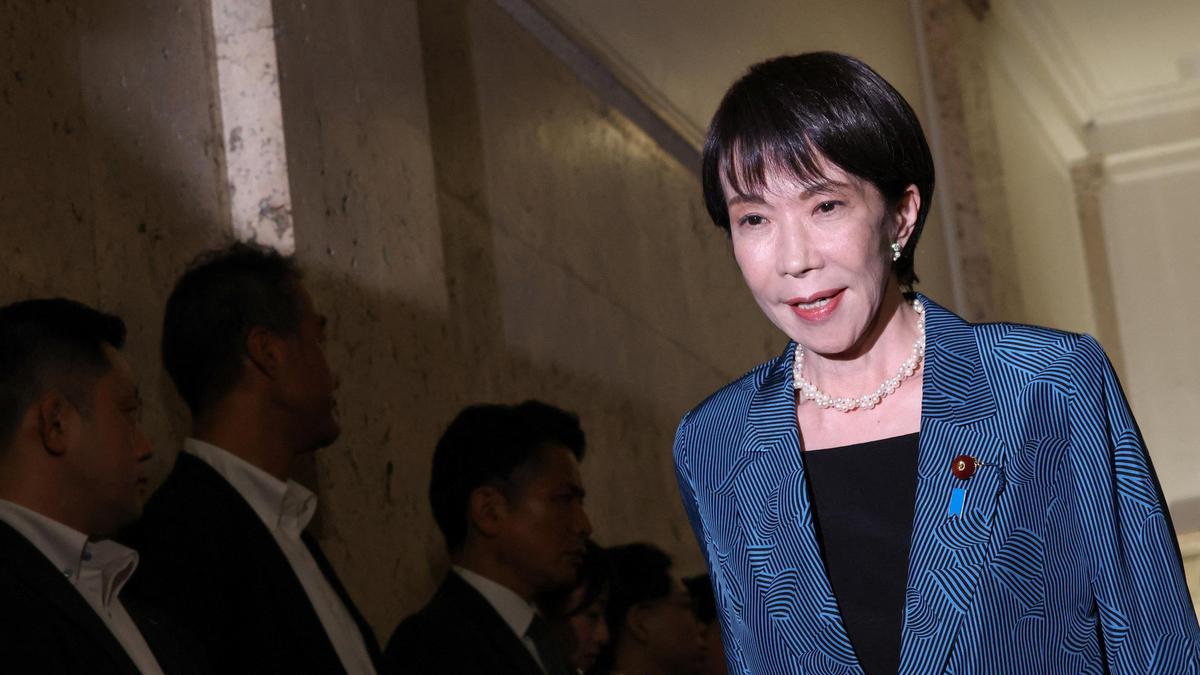
In a historic turning point for Japan’s political landscape, the nation’s parliament is poised to elect Sanae Takaichi as the country’s first female Prime Minister. The development marks a significant milestone in Japan’s modern history, breaking through a long-standing glass ceiling in a society where political leadership has traditionally been dominated by men.
A Landmark Moment for Japan
Sanae Takaichi’s anticipated election represents more than just a change in leadership—it signals a possible cultural and political shift in a country often criticized for its slow progress on gender equality. Japan, despite being one of the world’s largest economies, has consistently ranked low in global gender parity indexes, particularly in political representation. Takaichi’s rise to the top job could redefine perceptions about women in leadership and inspire greater participation of women in politics and public life.
The Road to Leadership
A long-serving member of Japan’s ruling Liberal Democratic Party (LDP), Takaichi has built her career on a reputation for discipline, national pride, and policy precision. Known for her strong conservative views, she has held several key cabinet portfolios, including internal affairs and communications. Over the years, she earned recognition for advocating administrative reforms, supporting Japan’s technological modernization, and emphasizing the importance of national security.
Her leadership bid gained traction as she positioned herself as a candidate capable of ensuring both stability and reform—a blend that appealed to traditional conservatives and younger reform-minded legislators alike. With her election, Takaichi not only becomes Japan’s first female prime minister but also a symbol of persistence in a political world long dominated by entrenched hierarchies.
Policy Outlook and Challenges Ahead
As Prime Minister, Takaichi is expected to focus on several key issues: economic revitalization, defense modernization amid growing regional tensions, and addressing Japan’s declining birth rate. Her economic agenda is likely to emphasize innovation, digital transformation, and sustainable growth—core priorities for Japan’s post-pandemic recovery.
However, challenges loom large. Takaichi will inherit an economy grappling with inflationary pressures, an aging population, and rising energy costs. On the foreign policy front, she will have to navigate complex relations with China, manage alliances with the United States, and maintain Japan’s influence in the Indo-Pacific region.
Breaking Barriers in a Male-Dominated Sphere
Japan’s political culture has long been viewed as resistant to female leadership, with women comprising only a small fraction of parliamentarians and ministers. Takaichi’s ascent, therefore, stands as a symbolic victory for gender equality, even as societal expectations and political conservatism continue to shape the realities of women’s empowerment in Japan.
For younger generations—especially women aspiring to public office—her success could represent a new chapter of inclusivity and ambition in Japanese politics. “If I can do it, others can too,” Takaichi once remarked in an interview, reflecting her belief that leadership should be defined by ability, not gender.
Global Reactions and Historical Significance
International observers have hailed the move as a step forward for Japan’s democracy. Many see Takaichi’s expected election as comparable to landmark moments in other democracies that elected their first female leaders, such as Margaret Thatcher in the UK or Angela Merkel in Germany. Her rise reinforces Japan’s role as a progressive democracy capable of evolving while preserving its cultural roots.
Conclusion
As Japan’s parliament prepares to confirm Sanae Takaichi as the nation’s first woman to lead its government, the moment is more than symbolic—it’s historic. Her leadership will be closely watched at home and abroad, not only for the policies she pursues but for the social transformation her election embodies. Whether she ushers in a new era of inclusivity or faces the constraints of political convention, Takaichi’s premiership will undoubtedly leave an indelible mark on Japan’s political and cultural narrative.
Comments are closed.