
Japan Releases AI Simulations of Mount Fuji Eruption to Urge Preparedness

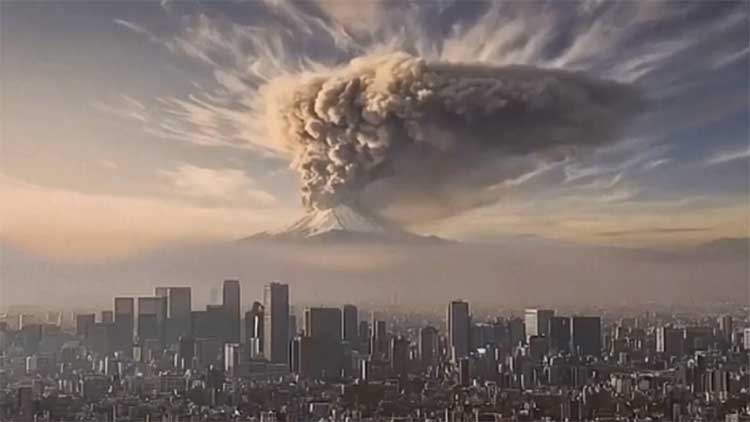
Mount Fuji, dormant since 1707, is at the center of new disaster-preparedness efforts in Japan. To mark Volcanic Disaster Preparedness Day, officials this week released AI-generated videos simulating the impact of a violent eruption of the iconic peak.
The Tokyo Metropolitan Government warned in one video that an eruption could strike “at any moment, without warning.” The simulation shows volcanic ash reaching central Tokyo—100 kilometers away—within hours, disrupting transport, food and power supplies, and triggering long-term health risks. It ends with the message: “We need to arm ourselves with facts and prepare for disaster in our daily lives,” alongside images of stocked pantries and first-aid kits.
Officials stressed there are no current signs of an eruption. “The simulation is designed to equip residents with accurate knowledge and preparedness measures,” the Tokyo government said.
Still, the videos have unsettled some. “Why are we suddenly hearing things like ‘10 centimeters of ash could fall in Tokyo’?” asked Shinichiro Kariya, a hospital employee. Others, like Mishima City resident Hiromi Ooki, said the images spurred them to buy emergency supplies: “Nature’s power is so great that maybe it’s better if it scares us a little.”
Experts emphasized the timing does not signal any heightened risk. University of Tokyo risk communication professor Naoya Sekiya noted that Japan regularly updates disaster models for earthquakes and eruptions: “There’s no particular significance to the timing.”
Japan, which sits on the seismically active Pacific “Ring of Fire,” is home to 111 of the world’s 1,500 active volcanoes and has a long history of major disasters. Officials say the simulations are part of broader efforts to reinforce a culture of readiness in one of the world’s most disaster-prone nations.
Comments are closed.