
Jaish al‑Adl Claims Deadly Zahedan High Court Assault as “Operation Justice for Bask”

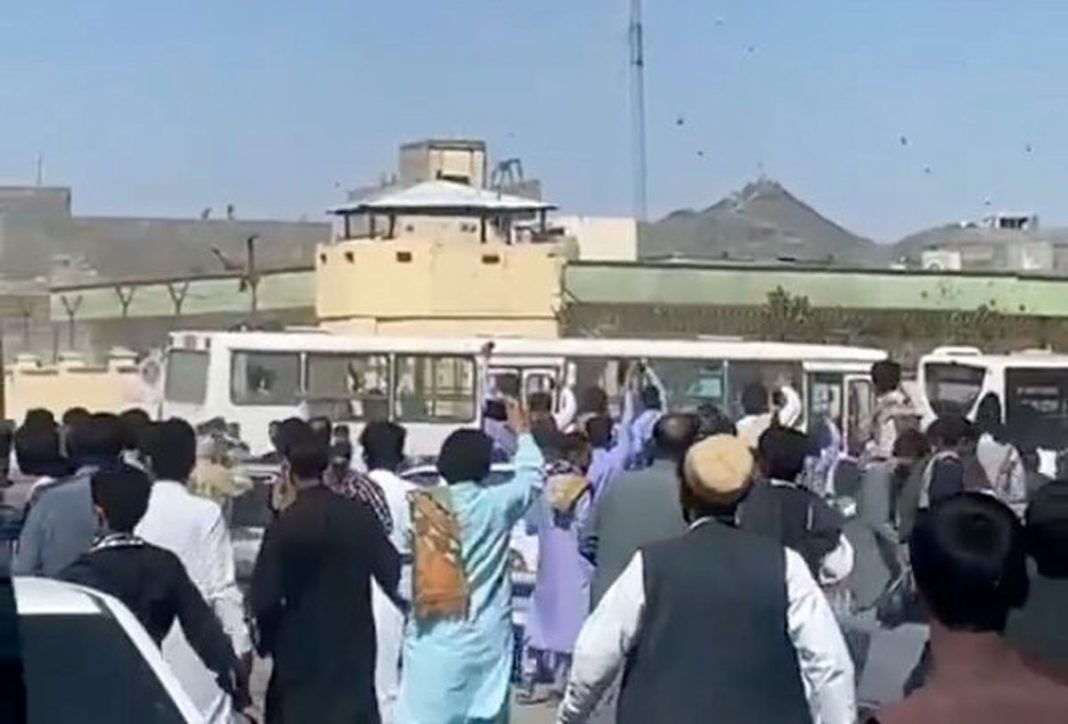
Early on the morning of July 26, 2025, militants from the Sunni Baloch group Jaish al‑Adl launched a devastating attack on the High Court building in Zahedan, the capital of Iran’s southeastern Sistan‑Baluchestan province. Calling the assault “Operation Justice for Bask”, the group targeted the judicial complex in a coordinated attack that marked one of the most significant militant incidents in the region in recent months.
At approximately 8:50 a.m., heavily armed gunmen stormed the court campus located on Azadi Street, heading straight for the judges’ chambers where they opened fire indiscriminately. Following the initial assault, attackers used grenades and mortars to intensify the assault as security forces responded.
Casualties and Damages
Iranian authorities confirmed the deaths of five targeted individuals, which included members of the judiciary and security personnel. Among the victims were a mother and a child, while at least 15 others were injured, including civilians. In the ensuing firefight, three of the militants were killed by security forces.
Reports indicate that some court staff and security officials were killed or wounded. Eyewitness accounts described chaos as armed fighters advanced into sensitive court zones during the assault.
Jaish al‑Adl’s Motive
In its Telegram statement, Jaish al‑Adl framed the operation as retaliation against what it described as ongoing “judicial oppression” of the Baloch population. The group warned judiciary officials that no member would be safe in Baluchestan, claiming it had eliminated more than 30 judges and security personnel.
They also urged all nearby civilians to evacuate the area due to the intensifying violence.
Regional Dynamics and Background
Sistan‑Baluchestan is a long-troubled region, marked by ethnic and sectarian tensions between Iran’s minority Sunni Baloch population and the Shiite-led central government. The province is economically underdeveloped, and Baloch activists frequently accuse Tehran of discrimination, land seizures, and forced demolitions.
Jaish al‑Adl—formed in 2012—has carried out numerous attacks against Iranian state targets, including border guards and IRGC personnel. The group advocates for autonomy and rights for Baloch people and is aligned with other militant factions active across Iran–Pakistan borders.
Security and Government Response
In the aftermath of the attack, Zahedan was placed under high alert with strict restrictions on movement near the courthouse area. Authorities launched a full investigation into security lapses and response protocols. Local residents reported that security forces fired erratically, with fears of additional civilian causality.
The incident has escalated concern over the region’s security and may prompt Iran to intensify its counterinsurgency measures and infrastructure in Baluch-dominated areas.
Looking Ahead: Escalation in Balochistan
This assault is part of a broader insurgency in the region, with prior attacks targeting IRGC convoys, border posts, and police installations. Analysts warn that continued violence risks further destabilizing southeastern Iran, pushing tensions to new highs.
The attack serves as both a brutal symbol of Jaish al‑Adl’s capabilities and a warning that Iran’s policies toward the Baloch minority may face prolonged resistance.
The Zahedan High Court attack, claimed as Operation Justice for Bask, underscores the volatility of Iran’s southeastern corridor. With multiple fatalities and dozens wounded, it marks a significant escalation in the ongoing Baloch insurgency. Unless Tehran addresses root grievances and enhances regional security coordination, incidents like this may become more frequent—and more lethal.
Comments are closed.