
Iranian Cleric Issues Fatwa Against Trump and Netanyahu Following Ceasefire Announcement

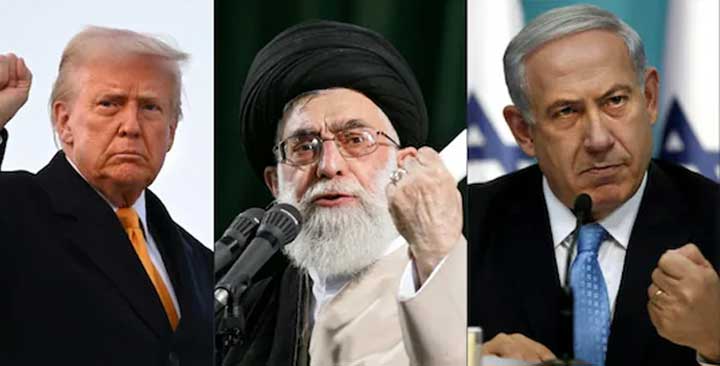
Days after U.S. President Donald Trump announced a ceasefire between Iran and Israel, senior Iranian cleric Grand Ayatollah Naser Makarem Shirazi has issued a fatwa—an Islamic religious decree—against Trump and Israeli Prime Minister Benjamin Netanyahu.
According to Iran’s state-affiliated Mehr News Agency, the fatwa was issued in response to a question regarding the threats made by Trump and Netanyahu against Iran’s Supreme Leader Ayatollah Ali Khamenei. The question, reportedly posed by a group of followers, asked what duties Muslims have in response to such threats.
In his ruling, Shirazi stated that “any person or regime that threatens the Leader or Marja (may God forbid) is considered an enemy of God.” In Shia Islam, Marja is a title given to the highest-ranking clerics empowered to issue religious rulings.
The cleric further declared that it would be haram—religiously forbidden—for Muslims or Islamic nations to support such individuals. “It is necessary for all Muslims around the world to make these enemies regret their words and mistakes,” the fatwa reads.
While a fatwa is not legally binding, it carries significant religious weight, particularly in countries with Sharia-influenced legal systems or among devout followers.
The decree follows inflammatory comments by Trump, who recently claimed he had saved Khamenei from “an ugly and ignominious death” during the recent 12-day Israel-Iran conflict. Trump also claimed to have known the Supreme Leader’s location at the time of Israeli airstrikes on Iranian nuclear facilities, which began on June 13 and resulted in the deaths of several senior Iranian commanders and scientists.
During the conflict, Israeli Defense Minister Israel Katz had openly threatened Khamenei’s life, saying, “If Khamenei had been in our sights, we would have taken him out.” Prime Minister Netanyahu similarly warned that the Supreme Leader could be targeted, stating Israel was “doing what we need to do.”
Khamenei notably vanished from public view during the height of the airstrikes, further fueling speculation about his safety and whereabouts.
The Iran-Israel conflict ended with a U.S.-brokered ceasefire on June 24, but Shirazi’s fatwa has now added a religious dimension to the lingering hostilities, signaling that tensions may persist despite the truce.
Comments are closed.