
Inside the 2025 Liveability Rankings: Top Cities to Live In and the Ones Falling Behind

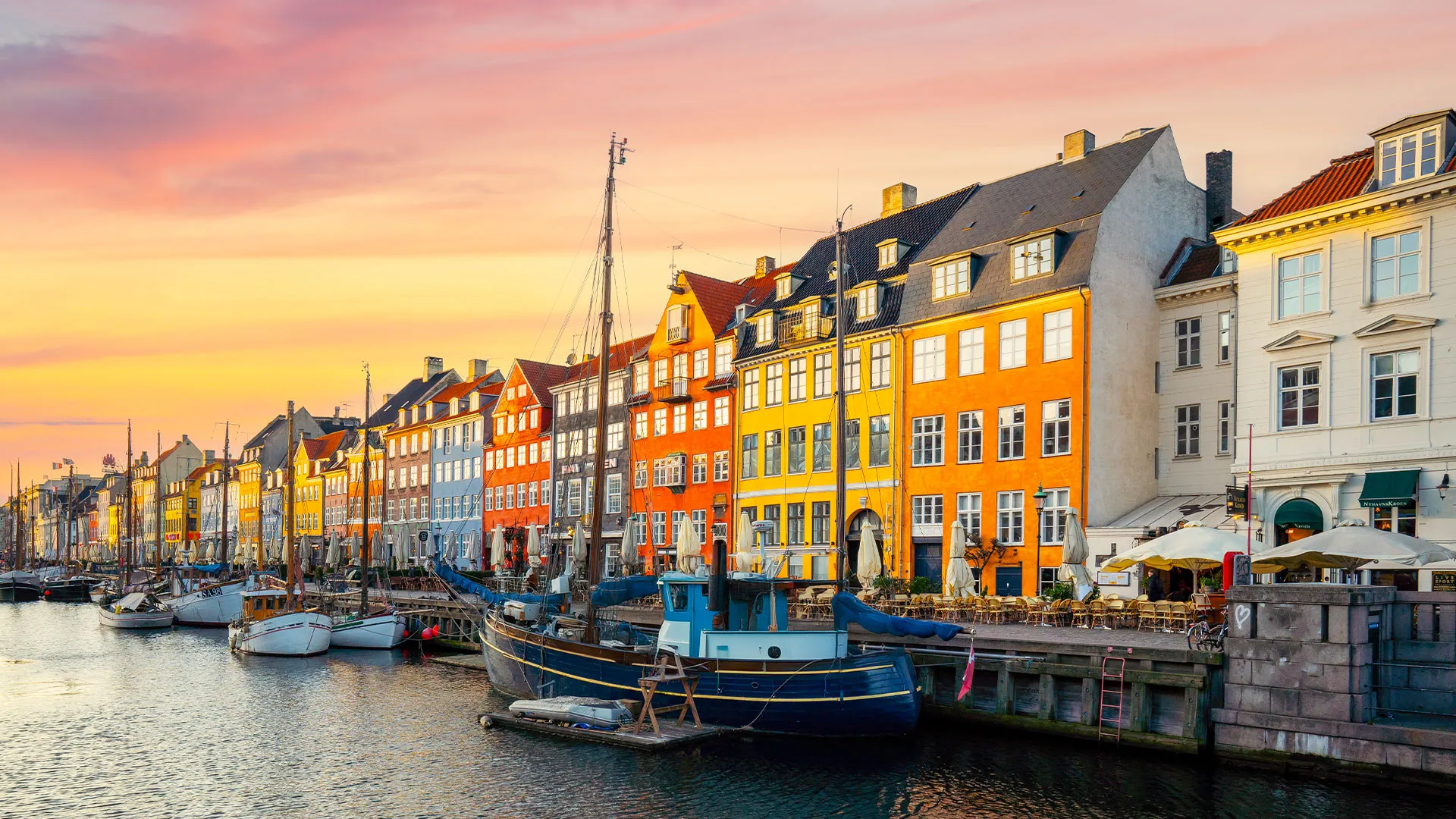
The Global Liveability Index 2025, compiled by the Economist Intelligence Unit (EIU), evaluated 173 cities worldwide across five key parameters: stability, healthcare, culture & environment, education, and infrastructure. This year’s rankings once again reveal a sharp divide between highly developed Western urban centres and cities challenged by conflict, poor governance, or underdeveloped infrastructure.
Top 10 Most Liveable Cities
-
Copenhagen, Denmark – Topping the list with a near-perfect score of 98/100, Copenhagen excels in public infrastructure, safety, healthcare, and education.
-
Vienna, Austria – Known for its exceptional public services and rich culture, Vienna shares second place.
-
Zurich, Switzerland – Equally tied at second, Zurich earns top marks for stability, education, and a clean urban environment.
-
Melbourne, Australia – Continues its reign as a global urban favourite with excellent scores in education, healthcare, and livability.
-
Geneva, Switzerland – A consistent performer with world-class healthcare and a high quality of life.
-
Sydney, Australia – Maintains its high rank thanks to strong infrastructure and cultural appeal.
-
Osaka, Japan – Recognised for stability, healthcare, and efficiency.
-
Auckland, New Zealand – Tied with Osaka, it scores high in environment and safety.
-
Adelaide, Australia – Known for a balanced lifestyle and consistent infrastructure development.
-
Vancouver, Canada – North America’s highest-ranked city due to its environmental and educational strengths.
Bottom 10: Least Liveable Cities
-
Damascus, Syria – Once again at the bottom of the rankings, with a liveability score of 30.7, due to prolonged conflict and instability.
-
Tripoli, Libya – With a score of 40.1, the city suffers from a lack of basic services and ongoing political turmoil.
-
Dhaka, Bangladesh – Scoring 41.7, the city struggles with severe congestion, pollution, and weak infrastructure.
-
Karachi, Pakistan – Ranked 170th with 42.7, facing ongoing security concerns, environmental degradation, and poor governance.
-
Algiers, Algeria
-
Lagos, Nigeria
-
Harare, Zimbabwe
-
Port Moresby, Papua New Guinea
-
Kyiv, Ukraine – Affected by conflict and instability.
-
Caracas, Venezuela – Grappling with economic and social crises.
What’s Driving These Results?
The rankings are based on 30 quantitative and qualitative indicators, distributed across five categories:
-
Stability (25%) – Crime rates, threat of terrorism or conflict
-
Healthcare (20%) – Quality and availability of medical care
-
Culture & Environment (25%) – Weather, cultural life, social openness
-
Education (10%) – Access to and quality of schooling
-
Infrastructure (20%) – Public transport, housing, utilities, digital access
Cities at the top benefit from decades of investment in public services, robust governance, and well-maintained infrastructure. In contrast, those at the bottom are often affected by war, economic collapse, or rapid, unregulated urbanisation.
Regional Patterns and Trends
-
Europe continues to dominate the top rankings with cities like Copenhagen, Zurich, and Vienna offering near-perfect conditions.
-
Asia-Pacific shows strength with Osaka, Melbourne, and Auckland, supported by high-quality healthcare and infrastructure.
-
North America has just one representative, Vancouver, highlighting environmental and social strengths.
-
South Asia and Middle East: Cities like Dhaka, Karachi, and Damascus remain near the bottom due to socio-political instability and infrastructural challenges.
-
Africa: Most cities are ranked low, reflecting difficulties in governance, healthcare, and urban development.
Comments are closed.