
India’s Rivers Are Shrinking Earlier Each Year, Raising Alarm for Water Security

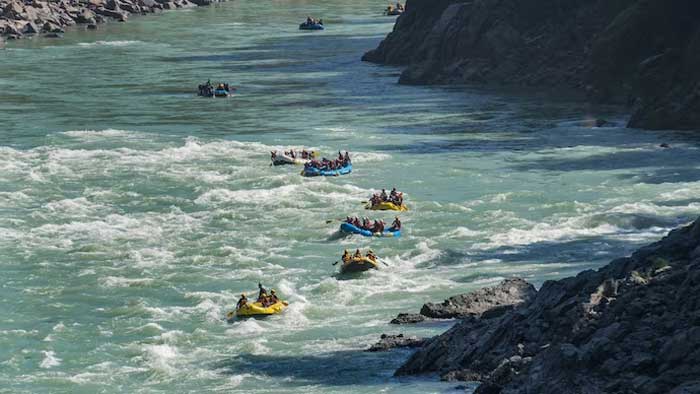
Across India, rivers are drying up weeks ahead of their traditional low-flow periods, signaling a growing water crisis. From stretches of the Ganga basin to smaller rivers in the central and northern plains, water levels are dipping earlier than usual, impacting agriculture, hydropower, and urban water supply.
Why Rivers Are Drying Earlier
Scientists attribute the shift to a combination of factors:
-
Shorter and erratic monsoons coupled with prolonged dry spells
-
Rapid groundwater depletion and over-extraction
-
Reduced Himalayan snowmelt, crucial for summer flows
-
Rising temperatures, accelerating evaporation
-
Urbanisation and concretisation, which reduce natural recharge
The result is diminished river flows that leave farmers struggling with irrigation, hydropower stations with reduced release volumes, and towns facing earlier water shortages.
Evidence from Science
Recent studies confirm what communities have long observed: rivers are shrinking at an alarming rate.
-
A 2025 global satellite analysis revealed a large-scale decline in freshwater across rivers, lakes, wetlands, and soil worldwide, highlighting the threat to Asian water systems.
-
In the Ganga basin, peak river flows — critical for irrigation and ecology — have dropped by roughly 17% per decade in many regions, according to a 2025 study of 173 gauging stations between 1970 and 2010.
-
Research by IIT Gandhinagar and the University of Arizona reconstructed 1,300 years of Ganga flow history and found that the drying observed since the 1990s is “unprecedented in the last millennium.”
-
Himalayan snow persistence, vital for sustaining summer river flows, has also declined sharply, with snow-cover duration in the Ganga basin falling from 30.2% in 2015 to 24.1% in 2025.
Consequences of Early Drying
Shrinking rivers and collapsing wetlands threaten multiple sectors:
-
Irrigation: Crop yields suffer due to unreliable water supply
-
Drinking water: Towns and cities face shortages earlier each year
-
Hydropower: Reduced river flows limit energy generation
-
Ecosystems and fisheries: Aquatic life and wetland-dependent species are at risk
As surface water becomes unreliable, urban areas increasingly rely on over-extracted groundwater, exacerbating long-term water insecurity. Experts warn that cities like Delhi and Bengaluru could face “Day Zero”-type scenarios if the trend continues.
Looking Ahead
Experts are urging urgent interventions to avert a full-blown crisis:
-
Aggressive groundwater recharge and protection of wetlands
-
Efficient irrigation methods and better water management
-
Treated wastewater reuse
-
Integrated river-basin planning
Without decisive action, India’s rivers may continue to dry earlier each year, transforming a seasonal challenge into a persistent water-security emergency.
Comments are closed.