
India’s EAM Rebuts U.S. Tariff Hike, Highlights China as Top Russian Oil Buyer

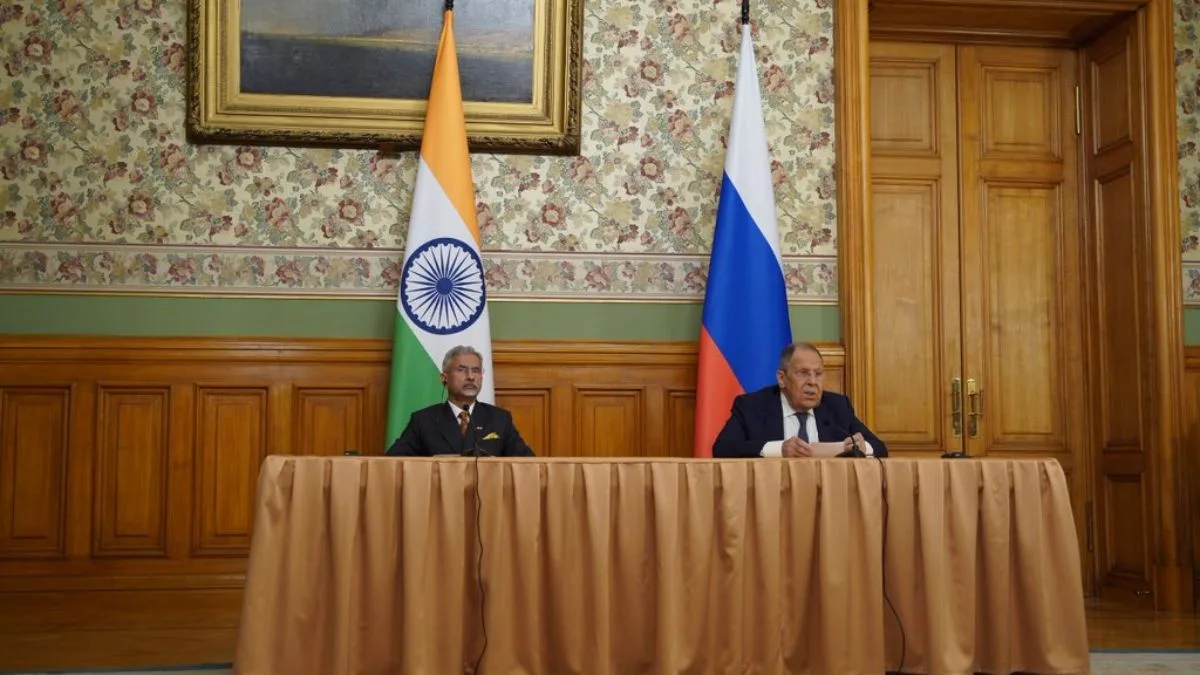
India’s External Affairs Minister S. Jaishankar delivered a sharp response to the United States’ imposition of a 50% tariff on Indian goods, citing India’s purchase of Russian oil. Speaking at a joint press briefing with Russian Foreign Minister Sergey Lavrov in Moscow, Jaishankar emphasized that China, not India, is the largest purchaser of Russian oil, importing 109 million tonnes in 2024 compared to India’s 88 million tonnes. He expressed perplexity at the U.S. logic of targeting India while granting China a 90-day tariff pause, noting India’s role in stabilizing global energy markets as previously encouraged by the U.S. This article explores the context of Jaishankar’s statement, its implications, challenges, and opportunities for India’s energy and diplomatic strategies.
Context of Jaishankar’s Statement
U.S. Tariff Hike
-
Tariff Announcement: In July 2025, U.S. President Donald Trump imposed a 25% “reciprocal tariff” on Indian goods, effective August 1, followed by an additional 25% “secondary tariff” on August 4, totaling 50%, citing India’s continued imports of Russian oil as indirectly funding Russia’s war in Ukraine.
-
U.S. Rationale: U.S. officials, including Treasury Secretary Scott Bessent and White House trade advisor Peter Navarro, accused India of “profiteering” by purchasing discounted Russian oil and reselling refined products to Europe, Africa, and Asia, contributing to a $9.2 billion trade surge with Russia in 2024.
-
China Exemption: Despite China being the largest buyer of Russian oil at 2 million barrels per day, the U.S. paused tariffs on Chinese goods for 90 days, citing a modest increase from 13% to 16% of China’s oil imports from Russia since the Ukraine war began.
Jaishankar’s Response
-
Key Remarks: During the press briefing on August 21, 2025, Jaishankar stated, “We are not the biggest purchasers of Russian oil, that is China. We are not the biggest purchasers of LNG, that is the European Union. We are not the country which has the biggest trade surge with Russia after 2022; I think there are some countries to the South.” He highlighted India’s increased oil imports from the U.S. and its role in stabilizing global energy markets.
-
Context of Visit: Jaishankar’s remarks came during a three-day visit to Moscow, where he co-chaired the 26th India-Russia Inter-Governmental Commission on Trade, Economic, Scientific, Technological, and Cultural Cooperation (IRIGC-TEC) and addressed the India-Russia Business Forum, reinforcing bilateral ties.
-
India’s Defense: Jaishankar emphasized that India’s oil purchases are driven by national interest and market dynamics, not political support for Russia, aligning with U.S. calls since 2022 to stabilize energy markets by buying Russian oil to prevent price spikes.
Broader Geopolitical Context
-
India-Russia Relations: India and Russia reaffirmed their commitment to expand bilateral trade, targeting balanced growth in sectors like agriculture, pharmaceuticals, and textiles, despite U.S. pressure. Jaishankar also raised concerns about Indian nationals in the Russian Army, seeking their release.
-
U.S.-India Tensions: The tariffs strain India-U.S. relations, with no interim trade deal reached by July 30, 2025, despite negotiations. India’s Ministry of External Affairs called the tariffs “unjustified and unreasonable,” citing global market necessities.
Implications of Jaishankar’s Statement
Economic Impact
-
Trade Disruptions: The 50% U.S. tariffs threaten India’s $10 billion export market to the U.S., particularly in agriculture and textiles, potentially increasing costs for Indian businesses and consumers.
-
Energy Strategy: Jaishankar’s defense of India’s oil imports underscores the importance of diversified energy sources, with India reducing Russian oil imports by 9.8% to $9.2 billion in May 2025 compared to May 2024, signaling adaptability to external pressures.
-
Global Market Dynamics: By highlighting China’s larger role, Jaishankar exposes inconsistencies in U.S. sanctions policy, potentially rallying support from other nations facing similar pressures.
Geopolitical Consequences
-
India-U.S. Relations: The tariffs and Jaishankar’s rebuttal highlight a downturn in bilateral ties, with India resisting U.S. pressure to align against Russia, prioritizing its strategic autonomy.
-
India-Russia Alliance: The statement reinforces India’s “steady and time-tested” relationship with Russia, with Jaishankar and Lavrov discussing Ukraine and West Asia, emphasizing dialogue and diplomacy.
-
Regional Influence: India’s stance could position it as a leader among Global South nations, advocating for fair treatment in global trade and energy policies.
Social and Political Impact
-
Domestic Support: Jaishankar’s remarks resonate with India’s public, with Prime Minister Narendra Modi defending energy security as critical for 1.4 billion people, potentially bolstering nationalistic sentiment.
-
Global Perception: The statement challenges U.S. credibility, highlighting perceived double standards in sparing China, which could strengthen India’s diplomatic leverage in forums like the SCO.
Challenges
Economic Pressures
-
Tariff Impact: The 50% tariffs could reduce India’s export competitiveness, with estimates suggesting a $2 billion loss in trade revenue by 2026 if unresolved.
-
Energy Costs: Shifting away from discounted Russian oil, priced 10–15% below global rates, could increase India’s energy import bill, straining its $50 billion trade deficit.
Diplomatic Hurdles
-
U.S. Resistance: U.S. officials like Bessent have warned of further secondary tariffs if India continues Russian oil imports, risking escalation of trade tensions.
-
China’s Advantage: The 90-day tariff pause for China, as Jaishankar noted, creates an uneven playing field, complicating India’s negotiations for tariff relief.
Geopolitical Risks
-
Western Alignment: India’s defense of Russian oil purchases risks alienating Western allies, potentially isolating it in global forums despite its non-aligned stance.
-
Sanctions Expansion: Proposed U.S. legislation, like the Sanctioning Russia Act of 2025, could impose 500% tariffs on countries buying Russian oil, increasing pressure on India.
Opportunities
Economic Resilience
-
Diversified Trade: India’s push to expand exports to Russia in agriculture, pharmaceuticals, and textiles, as Jaishankar emphasized, could offset U.S. tariff losses, targeting a $5 billion trade increase by 2030.
-
Energy Strategy: Reducing reliance on Russian oil, as seen in the 9.8% import drop, allows India to explore alternative suppliers like Saudi Arabia and Iraq, enhancing energy security.
Diplomatic Leverage
-
Global South Advocacy: Jaishankar’s critique of U.S. double standards could rally support from nations like Brazil and South Africa, strengthening India’s role in Global South leadership.
-
India-Russia Cooperation: Deepening ties with Russia, including joint production under ‘Make in India,’ could counterbalance U.S. pressure, with potential for $10 billion in defense deals by 2030.
Strategic Positioning
-
Energy Market Influence: India’s role in stabilizing global energy markets, as Jaishankar noted, enhances its influence in OPEC+ discussions, potentially securing favorable oil pricing.
-
Regional Stability: Strengthened India-Russia ties, coupled with Jaishankar’s call for dialogue on Ukraine, position India as a mediator in global conflicts, boosting its diplomatic stature.
Comments are closed.