
Indian Markets Open in Red Following Trump’s 50% Tariff Blow on Indian Exports

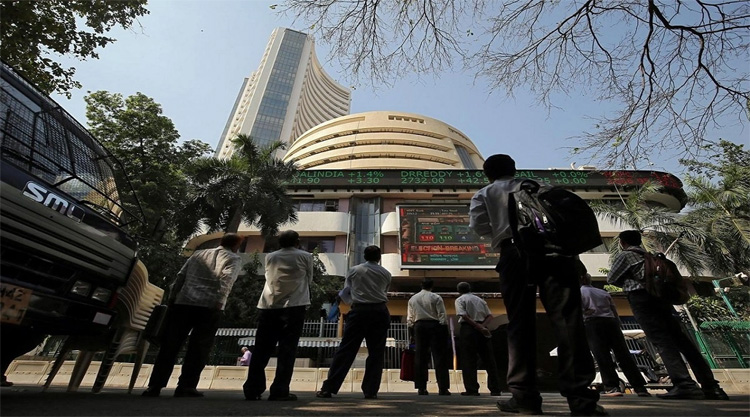
Benchmark equity indices opened sharply lower on Thursday, August 7, as investor sentiment soured following U.S. President Donald Trump’s decision to impose an additional 25% tariff on Indian exports, effectively doubling duties to 50% and escalating trade tensions between the two nations.
The BSE Sensex dropped 335.71 points to 80,208.28 in early trade, while the NSE Nifty fell 114.15 points to 24,460.05.
The decline comes amid growing concerns over a prolonged trade standoff and its potential impact on India’s export-driven sectors. The new tariff regime, which places India among the highest-taxed U.S. trading partners, has added to market volatility.
Trade Concerns Cloud Outlook
Gift Nifty futures were trading at 24,586 as of 7:05 am, indicating a flat-to-negative open for broader markets, aligning closely with Wednesday’s close of 24,574.2. Despite the tariff hike, one-month dollar-rupee non-deliverable forwards suggest the Indian currency is likely to open steady.
Analysts have begun warning of the long-term risks. “If tariffs remain in place for a year, we estimate a 30 to 40 basis point drag on India’s GDP growth,” said Dhiraj Relli, CEO of HDFC Securities.
Before the tariff announcement, the Reserve Bank of India had maintained its GDP forecast at 6.5% for FY26, downplaying global risks. However, market watchers now fear that worsening ties with Washington could dampen foreign investor confidence.
“The doubling of tariffs, coupled with strained bilateral relations, could disrupt market stability and shake investors out of their complacency,” said Nilesh Shah, CEO of Kotak Mahindra Asset Management.
Global Markets Mixed
While Indian markets reacted negatively, global equities showed resilience. MSCI’s Asia-Pacific index rose 0.8%, with U.S. equity futures also in positive territory — the S&P 500 and Nasdaq 100 futures each up 0.3%. The rally followed Trump’s exemption of major U.S. firms like Apple from a proposed 100% tariff on foreign chip exporters.
Tech shares led gains in Asia: Nvidia surged in after-hours trading, Samsung Electronics climbed 1.9% in Seoul, and Taiwan Semiconductor Manufacturing Co. jumped 4.4%.
In commodities, oil prices inched higher after a five-day losing streak, as markets tracked U.S. pressure on Russian crude buyers and President Trump’s diplomatic push to end the Ukraine war. Meanwhile, U.S. Treasury yields ticked higher, with the 10-year yield rising to 4.25%, and the dollar index remained largely unchanged.
Markets are now closely watching policy responses from both New Delhi and Washington, along with potential RBI signals or diplomatic efforts aimed at easing trade tensions.
Comments are closed.