

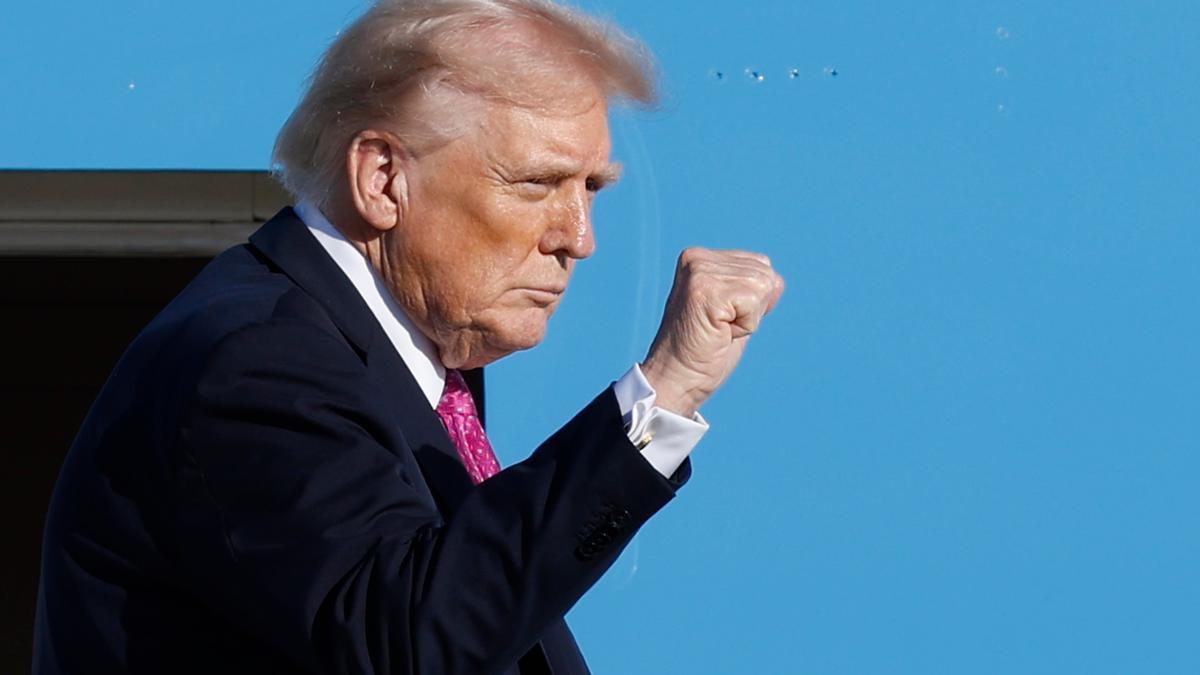
Former U.S. President Donald Trump has once again reiterated his position that India “will not be buying oil from Russia” under his prospective administration, signaling a tougher stance on New Delhi’s energy ties with Moscow. The statement, made during a recent public appearance, underscores Trump’s long-standing view that the United States must take a firmer approach toward countries continuing trade with Russia amid ongoing geopolitical tensions.
Trump’s comments come against the backdrop of continued Western scrutiny of India’s oil imports from Russia since the onset of the Ukraine conflict. Over the past two years, India has emerged as one of the largest buyers of discounted Russian crude—a move defended by New Delhi as an economic necessity and an act of strategic autonomy. However, Trump’s remarks suggest that his administration, if he returns to power, could pressure India to realign its energy sourcing in line with U.S. interests.
Speaking to a group of reporters, Trump reportedly emphasized that under his leadership, “no country that claims to be America’s friend will fund the Russian war machine through oil trade.” He asserted that energy dependence on Russia not only benefits Moscow but also undermines the Western alliance’s collective efforts to contain Russian influence.
The comments have sparked fresh debate in diplomatic circles about the future of U.S.-India relations, particularly if Trump were to win another term. While India and the United States have strengthened defense, technology, and strategic cooperation in recent years, differences over trade policies, sanctions, and energy security have often tested their partnership.
Analysts note that India’s position is guided primarily by pragmatism. With a rapidly growing economy and soaring energy demands, India has sought to diversify its crude supplies to maintain affordability and ensure energy stability. Russian oil, often sold at a significant discount compared to global benchmarks, has provided crucial relief amid volatile international prices.
Indian officials have consistently maintained that their oil purchases from Russia are within international legal frameworks and that the country’s decisions are made based on national interest. As one senior Indian diplomat remarked earlier this year, “Energy security for 1.4 billion people cannot be dictated by geopolitical pressures.”
Trump’s reiteration may also be viewed in the context of his broader campaign rhetoric, which often emphasizes America’s global economic leverage. His stance could be part of a larger push to restore what he calls “energy dominance” and reshape international trade alignments to favor U.S. geopolitical objectives.
However, experts caution that any attempt to pressure India could have unintended consequences. India is not only a key defense partner and member of the Quad alliance but also plays a central role in balancing China’s growing regional influence. A confrontational approach on the energy issue might risk straining the carefully managed ties that have evolved over the past decade.
While current U.S. policy under President Joe Biden has allowed India some flexibility in dealing with Russian oil, a Trump-led administration could take a more hardline view, especially if tensions between Washington and Moscow deepen further. This raises questions about how India might recalibrate its energy strategy in a world where geopolitical fault lines are hardening once again.
For now, New Delhi has refrained from responding directly to Trump’s comments. Officials are likely to wait and watch how the U.S. political landscape unfolds before making any public statement. Yet within policy circles, the message is clear: India’s approach to energy and foreign policy will continue to prioritize sovereignty and strategic balance over external pressure.
As one veteran Indian energy analyst put it, “India will listen to everyone but decide for itself. That’s the essence of strategic autonomy—and it won’t change, no matter who sits in the White House.”
Comments are closed.