
India, US Urge UN to Impose Tougher Sanctions on Proxies of LeT, JeM, ISIS and al-Qaeda

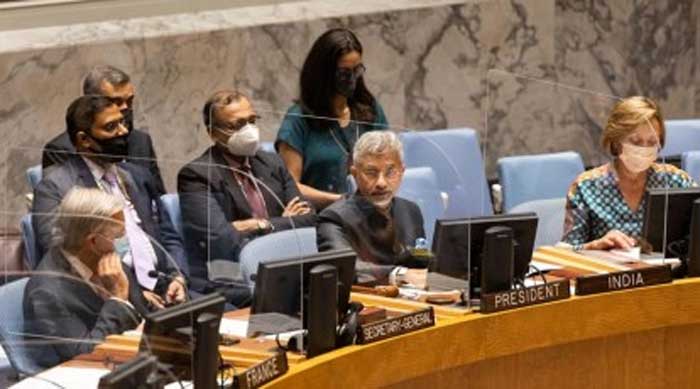
India and the United States have jointly called for additional UN designations and punitive measures — including global asset freezes and arms embargoes — against proxies and affiliates of Pakistan-based terror groups Lashkar-e-Taiba (LeT) and Jaish-e-Mohammed (JeM), as well as entities linked to the Islamic State and al-Qaeda.
The appeal was made during meetings of the India-US Joint Working Group on Counter-Terrorism and the Terrorist Designations Dialogue, held in New Delhi on December 3. The discussions focused on boosting cooperation against terror networks and strengthening global mechanisms to curb their activities.
According to a joint statement, the two sides pushed for the inclusion of proxies, supporters, financiers and backers of these groups under the UN Security Council’s 1267 sanctions regime — a step that would subject them to worldwide travel bans, asset freezes and an arms embargo.
India also thanked the US State Department for designating The Resistance Front (TRF) — an LeT proxy that claimed responsibility for the Pahalgam terror attack in April — as a Foreign Terrorist Organisation and a Specially Designated Global Terrorist.
Both sides strongly condemned the Pahalgam attack and the November 10 terror incident near Delhi’s Red Fort, stressing the need to ensure accountability for perpetrators, organisers and supporters of terrorism. They also noted growing concerns over the use of drones, UAVs and artificial intelligence for terror activities.
The meetings underscored the expanding India-US convergence on counter-terrorism. Officials reviewed a spectrum of emerging threats, including online radicalisation, terrorist recruitment, misuse of technology and terror financing. They also discussed cooperation on training, cybersecurity, sharing of best practices and timely exchange of information.
Strengthening law enforcement and judicial collaboration — including on mutual legal assistance requests — formed another key part of the dialogue. The Indian delegation was led by Vinod Bahade, joint secretary (counter-terrorism) in the Ministry of External Affairs, while Monica Jacobsen, senior bureau official in the US State Department’s Bureau of Counter-Terrorism, headed the American side.
Quad Nations Reinforce Joint Counter-Terror Push
The bilateral meetings were followed by the Quad Counter-Terrorism Working Group sessions held in New Delhi from December 4–5, attended by officials from India, Australia, Japan and the US.
The Quad called for bringing to justice those responsible for the November 10 terror attack near the Red Fort, which killed 12 people and injured several others, and urged all UN member states to cooperate in the process. The grouping reiterated its condemnation of terrorism in all forms, including cross-border terrorism.
Quad partners assessed the evolving terrorism landscape in the Indo-Pacific and discussed ways to expand cooperation across the full spectrum of counter-terrorism measures. They highlighted the need for deeper ties in multilateral forums and stressed continued information-sharing on terror groups and their proxies to keep the Indo-Pacific “open and free from the threats of terrorism.”
A tabletop exercise on counter-terror operations in urban environments allowed participating experts to exchange best practices and explore opportunities to improve joint operational preparedness for complex terror scenarios.
Comments are closed.