
India to Submit Updated Climate Pledges Ahead of COP30, May Increase Energy Efficiency Targets

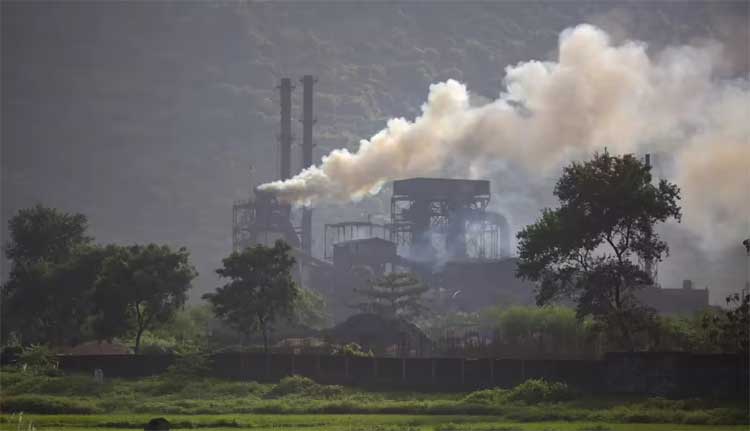
India is set to submit its updated Nationally Determined Contributions (NDCs) around the start of the U.N. Climate Change Conference COP30 in Brazil on November 10, with sources in the Environment Ministry indicating the targets may include stronger commitments to energy efficiency.
NDCs are country-specific goals for renewable energy adoption and emissions reduction under the Paris Agreement, which aims to limit global warming to well below 2°C, ideally 1.5°C, above pre-industrial levels. Signatories are required to update their NDCs every five years.
India last updated its NDCs in 2022, pledging to:
-
Reduce emissions intensity of GDP by 45% from 2005 levels by 2030
-
Source 50% of electricity capacity from non-fossil fuel sources by 2030
-
Create a carbon sink of at least two billion tonnes by 2030
Progress So Far
Emissions intensity measures carbon emissions per unit of GDP, not net emissions. By December 2023, India reported a 33% reduction in emissions intensity between 2005 and 2019. In June 2025, it reported that at least 50% of its installed power capacity came from non-fossil fuel sources.
Looking Ahead: NDC 3.0 and 2035 Targets
The upcoming NDC update, sometimes called NDC 3.0, is expected to outline emissions reduction goals through 2035. So far, only about 30 of the 190-plus signatory countries have submitted updated NDCs, though late submissions are common before annual climate talks.
The COP30 presidency, held by Brazil in Belém, has emphasized assessing why countries failed to meet prior targets. Even if all current commitments are fully implemented, global warming is still projected to reach around 3°C by 2100, well above the Paris Agreement goals.
Global Context
Ambition appears muted globally. The European Union, historically a leader in climate action, has yet to announce a 2035 target, although it aims for net-zero by 2050. The EU Commission proposed a 90% reduction in emissions compared to 1990 levels by 2040, but France and Germany delayed voting on a 2035 target.
Australia updated its NDCs in September, aiming to cut emissions 62%-70% from 2005 levels by 2035. Meanwhile, the United States has exited the Paris Agreement, and China’s 2035 commitments remain uncertain.
Synthesis Report and Carbon Markets
Publicly submitted NDCs feed into a UN synthesis report next month, which will calculate how far the world is from meeting Paris Agreement targets. India expects most significant reductions to come from bilateral clean energy projects, where emission cuts can be shared via approved carbon credit methodologies.
India has signed a Joint Crediting Mechanism (JCM) with Japan and is negotiating similar agreements with other countries. However, these projects will take years to generate measurable results.
Additionally, India plans to operationalize the India Carbon Market by 2026, requiring 13 major sectors to meet mandatory emission-intensity targets. Surplus reductions can be traded through emission reduction certificates, providing both regulatory compliance and economic incentives for clean energy adoption.
Comments are closed.