
India Issues Fresh Advisory Urging Citizens to Reconsider Travel to Iran Amid Ongoing Tensions

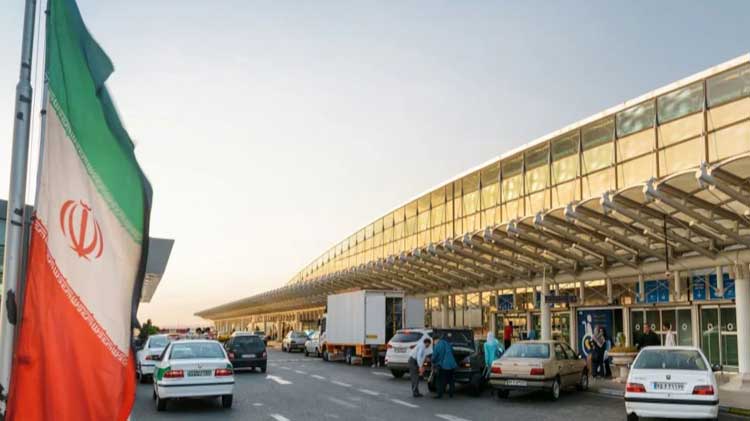
Amid escalating tensions in the Middle East, the Indian Embassy in Iran has issued a fresh advisory urging Indian nationals to “carefully consider” the current volatile situation before undertaking any non-essential travel to Iran, particularly to the capital Tehran.
In a post shared on X (formerly Twitter) on Wednesday, the embassy highlighted the uncertain security environment and advised Indian citizens already in Iran to remain alert to regional developments. The advisory also encouraged those looking to leave the country to utilize commercial flights and ferry options, which remain operational for now.
“In view of the security-related developments over the past several weeks, Indian nationals are advised to carefully consider the evolving situation before undertaking non-essential travel to Iran,” the advisory read.
“They are also advised to continue to monitor the latest regional developments and follow updated advisories issued by the Indian authorities.”
Context: Rising Tensions in the Middle East
The advisory follows weeks of heightened military conflict between Iran, Israel, and the United States. Last month, Israel launched ‘Operation Rising Lion’, targeting Iranian nuclear and military sites, citing threats from Iran’s nuclear ambitions. In response, Iran retaliated with missile and drone attacks.
On June 22, the conflict further escalated when the U.S. launched ‘Operation Midnight Hammer’, striking Iranian nuclear facilities in Natanz, Fordow, and Isfahan using B-2 stealth bombers and bunker-buster bombs. Iran retaliated by launching strikes on U.S. bases in Qatar.
After nearly two weeks of hostilities, a ceasefire agreement was brokered with the involvement of then-U.S. President Donald Trump. However, sporadic ceasefire violations have continued.
India and the U.S. Sound Alarm on Iran Travel
This is not the first time the Indian government has cautioned its citizens regarding travel to Iran. Earlier advisories were issued during the peak of the conflict, urging people to avoid non-essential movement and adhere to local safety measures.
Meanwhile, the U.S. State Department also launched a new awareness campaign last week warning Americans—especially Iranian-Americans—against traveling to Iran. Speaking at a press briefing, department spokesperson Tammy Bruce said the Iranian regime often refuses consular access to detained U.S. nationals and does not recognize dual nationality.
“While the bombing has stopped, that does not mean it is safe to travel to Iran. It is not,” Bruce said, pointing to a newly launched government website aimed at raising awareness.
President Trump, while expressing hopes of avoiding further conflict, also underlined that Iran appeared to be seeking diplomatic engagement.
“They want to work something out. They are very different now than they were two weeks ago,” he stated during a White House meeting with Israeli PM Benjamin Netanyahu.
What Should Indian Citizens Do?
-
Avoid non-essential travel to Iran.
-
Stay updated through advisories from the Indian embassy and the Ministry of External Affairs.
-
If currently in Iran and planning to leave, use available commercial flights or ferry services.
-
Remain vigilant and follow local safety protocols issued by Iranian authorities.
As the situation remains fluid, Indian authorities continue to monitor developments closely and are expected to update advisories as needed.
Comments are closed.