
India Halts Russian Oil Purchases Amid Shrinking Discounts, Trump Tariff Threats

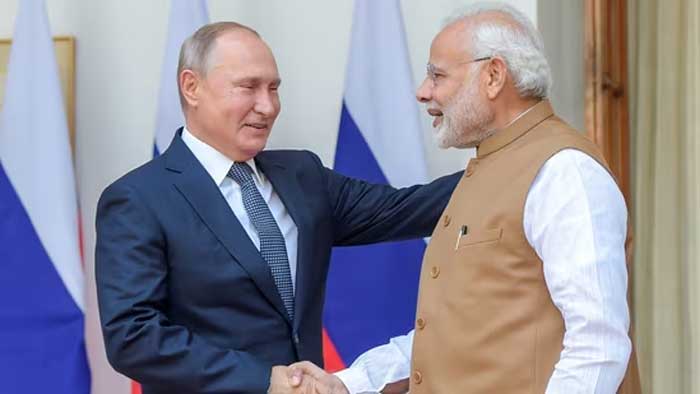
India’s state-run refiners have reportedly stopped purchasing Russian crude oil for over a week, signaling a major shift in one of Moscow’s most important energy partnerships since the war in Ukraine began, according to a Reuters report citing sources familiar with the matter.
The four key government-owned refiners — Indian Oil Corporation (IOC), Bharat Petroleum (BPCL), Hindustan Petroleum (HPCL), and Mangalore Refinery and Petrochemicals Ltd (MRPL) — have not bought any Russian oil during this period. However, no official statement has been issued by either the companies or the Indian government.
🇮🇳 India’s Energy Ties With Russia: A Strategic Pause?
India, the world’s third-largest oil importer, has become the top buyer of Russian seaborne crude, helping Russia maintain revenues as its war in Ukraine stretches into its fourth year. Roughly 35% of India’s oil imports come from Russia, making Moscow its largest supplier.
But this flow appears to have paused due to:
🔻 1. Shrinking Price Discounts
-
The price advantage of Russian oil, a key factor that initially drove India’s increased imports, has narrowed to its lowest levels since 2022.
-
With less economic incentive, refiners are now turning to alternative suppliers, such as:
-
Middle Eastern crude (e.g. Abu Dhabi’s Murban)
-
West African oil
-
⚠️ 2. Renewed US Pressure Under Trump
Former President Donald Trump, who has taken a hard line on Russia during his 2024 campaign, recently:
-
Threatened 100% tariffs on countries buying Russian oil unless a peace deal with Ukraine is reached.
-
Warned of punitive measures for continued oil and arms purchases from Moscow.
-
Shortened the grace period for secondary sanctions from 50 days to 10–12 days.
🛃 3. India Hit by New US Tariffs
Adding to the pressure, Trump announced on Wednesday:
-
A 25% tariff on Indian exports to the US, effective August 1, while also indicating that negotiations were still underway.
📉 What Happens Next?
India’s recent pivot away from Russian oil may reflect a mix of economic realities and geopolitical recalibration, especially as the cost-benefit equation shifts and global pressure mounts.
With no official word from New Delhi or the refiners, it remains unclear whether this is a temporary freeze or a longer-term strategy — but the pause marks a significant disruption in Russia’s post-sanctions oil lifeline.
Comments are closed.