
India and New Zealand Conclude Bilateral Free Trade Agreement, PM Modi Announces

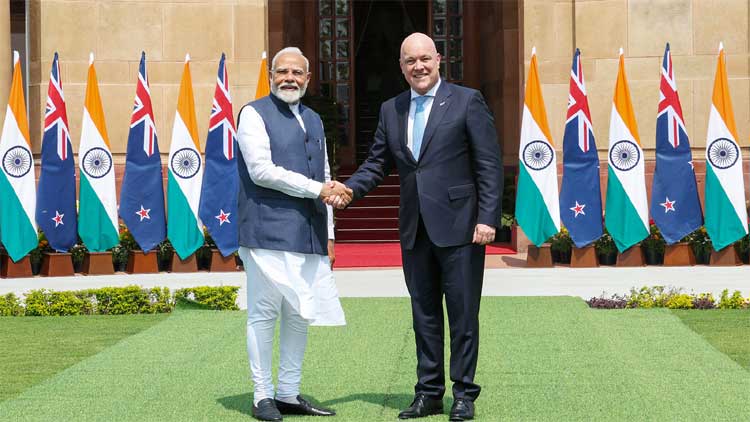
Prime Minister Narendra Modi on Monday announced the conclusion of a bilateral free trade agreement (FTA) between India and New Zealand, marking India’s third FTA in 2025 after agreements with the United Kingdom in July and Oman on December 18, according to sources familiar with the matter.
The two countries achieved convergence on nearly all key points through extensive physical and virtual negotiations. The fourth formal round of talks took place in Rotorua last month during Union Commerce Minister Piyush Goyal’s visit to New Zealand, sources said. A draft agreement is now ready, with a formal announcement of the FTA expected early this week.
New Zealand’s Trade and Investment Minister Todd McClay, who visited New Delhi on December 12, met Goyal to explore ways to advance the negotiations, the sources added.
Expected Benefits and Provisions
The proposed FTA is expected to be comprehensive and balanced, offering mutual gains while respecting the sensitivities of both nations. India will continue to protect its subsistence farmers and dairy sector, though it may allow concessions on non-competing items such as kiwi fruits and timber.
The agreement is also expected to facilitate the export of Indian goods such as organic products, pharmaceuticals, and professional services to New Zealand through mutual recognition agreements (MRAs), which enable the two countries to recognize each other’s professional qualifications and quality standards.
Sources noted that the FTA will support trade diversification for Indian exporters, reducing dependence on any single market. Specific details on the scope and nature of the agreement were not disclosed but it is expected to reduce trade barriers and create a more conducive environment for businesses and investments.
Trade Potential and Sectoral Opportunities
Bilateral merchandise trade between India and New Zealand reached $1.3 billion in 2024-25, a nearly 49% year-on-year increase, according to a commerce ministry statement from November 8. The FTA is expected to unlock further potential in sectors including agriculture, food processing, renewable energy, pharmaceuticals, education, and services, creating new opportunities for businesses and consumers alike.
Timeline and Background
The FTA negotiations began on March 16, 2025, following a renewed momentum in bilateral relations after Prime Minister Modi and New Zealand Prime Minister Christopher Luxon met during Luxon’s five-day India visit from March 16–20, 2025. In a joint statement issued on March 17, the leaders welcomed the launch of FTA negotiations aimed at a balanced, ambitious, comprehensive, and mutually beneficial trade agreement.
“The leaders agreed that a comprehensive trade agreement offers a significant opportunity to enhance trade and economic cooperation. By leveraging each country’s strengths, addressing respective concerns, and tackling challenges, a bilateral trade agreement can foster mutually beneficial trade and investment growth, ensuring equitable gains and complementarities for both sides,” the statement read. The two countries also agreed to explore cooperation in the digital payments sector.
With four rounds of formal negotiations completed swiftly, the India-New Zealand FTA is expected to strengthen economic integration and open new avenues for trade and investment between the two nations.
Comments are closed.