
In Maoist stronghold Abujhmad, 53 temporary bridges aim to end monsoon isolation

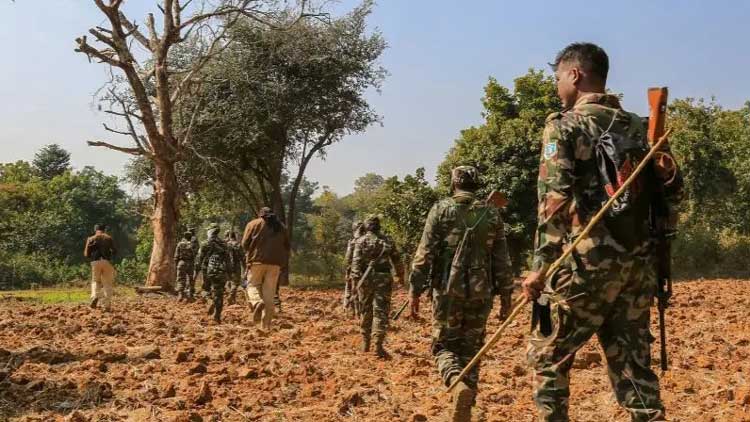
Just 300 metres from Kutul village, once considered a Maoist stronghold in Abujhmad, a small stream quietly cuts through the dense sal forests. During summer and winter, villagers cross it easily on foot. But every monsoon, the same stream turns into a raging waterway, isolating communities on both sides for weeks.
This year, villagers and security forces have joined hands to change that. While a permanent concrete bridge is being planned near Kutul, a temporary wooden bridge made from sal logs, bamboo and concrete supports has already been built nearby. Similar efforts are underway across Abujhmad, where 53 temporary wooden and bamboo bridges have been constructed ahead of the rainy season.
Spread across nearly 4,000 sq km in Chhattisgarh’s Narayanpur, Bijapur and Dantewada districts, Abujhmad remains one of India’s largest unsurveyed forest regions. Around 60,000 tribal residents live across nearly 233 villages hidden among its hills and forests. The first-ever revenue survey of the region is currently underway.
A Public Works Department official said villagers worked alongside personnel from the district police and the Indo-Tibetan Border Police to build the temporary crossings before the monsoon.
“These bridges will remain in use until permanent concrete bridges, many of which have already been approved, are completed,” the official said.
The temporary structures have been built along key routes including the Kutul-Kodnar stretch, Kudmel-Kumanar route, Orcha-Lanka axis, Kutul-Gobe corridor and Garpa-Kakur-Balebeda route. Authorities said permanent bridges are being constructed but may take around a year to complete.
For villagers, the bridges represent a major shift. Ramu Ram Wadde from Gawandi village said people earlier had to cross streams on foot or even swim during the rainy season.
“Maoists never allowed roads or bridges because poor connectivity helped them and restricted the movement of security forces,” he said.
Officials said the project is not only about improving transportation but also about building trust between security forces and local communities. The initiative is part of Narayanpur Police’s “Maad Maitri Abhiyan”, aimed at strengthening ties with tribal residents.
Narayanpur Superintendent of Police Robinson Ghuria said the bridges would help secure essential supply routes, support medical emergencies and improve communication between remote villages and authorities.
The effort is also significant as several security camps have recently been established deep inside Abujhmad following anti-Maoist operations. Officials said the bridges will help both villagers and security personnel move through the region during the monsoon.
Villager Vivek Potai from Kudmel said the new crossings could prevent tragedies. “Many deaths during the monsoon went unreported because villages were cut off and help could not arrive in time. We hope nothing like that happens this year,” he said.
For decades, Abujhmad’s rivers and streams symbolised isolation, keeping villages away from hospitals, schools, markets and government services. The new bridges may be temporary, but they mark a significant change in connectivity and the relationship between the state and one of India’s most remote tribal regions.
Comments are closed.