
Hurricane Melissa Death Toll Rises to 44 as Storm Leaves Trail of Destruction Across Caribbean

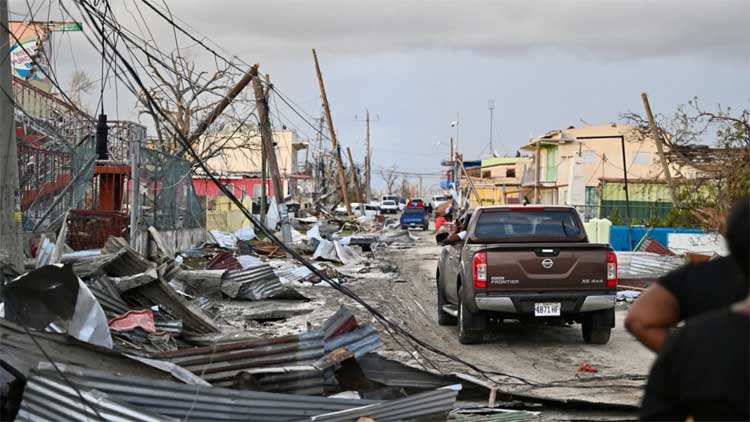
The confirmed death toll from Hurricane Melissa climbed to 44 on Thursday, according to official reports, after the storm devastated much of the northern Caribbean and gathered speed on its way toward Bermuda.
In Jamaica, Information Minister Robert Morgan told Reuters that at least 19 people had died, with search and rescue operations still underway. The Category 5 storm—the strongest ever to directly hit Jamaica—left hundreds of thousands without power, tore roofs off buildings, and littered farmlands with debris.
The Jamaican military has called in reserve personnel to support ongoing relief and recovery efforts. Melissa made landfall in the country’s southwest on Tuesday, becoming the first major hurricane to strike Jamaica since 1988. Meteorologists at AccuWeather said wind speeds placed Melissa among the second-strongest Atlantic hurricanes on record at landfall, estimating $48–52 billion in damages and losses across the western Caribbean.
In Haiti, where days of torrential rain battered southern regions, officials confirmed 25 deaths, mostly in Petit-Goâve, after a river overflowed. A section of a national highway connecting to Jacmel was washed away, local newspaper Le Nouvelliste reported.
Eastern Cuba also took a heavy hit, though no fatalities had been reported by Thursday. Authorities said 735,000 people were evacuated ahead of the storm, which caused extensive damage to homes and crops.
As of 8 p.m. Thursday, Melissa had weakened to a Category 1 hurricane, located about 409 km southwest of Bermuda, with maximum sustained winds of 105 mph. Hurricane conditions were expected overnight as the storm’s eye passed northwest of the island.
Bermudian authorities urged calm but closed the causeway and suspended schools and ferry services “out of an abundance of caution.”
In the Bahamas, where Melissa swept through Wednesday night, storm warnings were lifted, but officials have yet to declare an “all clear.” Authorities said a decision on when evacuees could safely return home would come by Saturday.
The front page of Thursday’s Jamaica Observer captured the mood with a single word: “DEVASTATION.”
While Kingston was spared the worst damage, with the capital’s airport and port reopening Thursday, much of the country remained crippled. More than 130 roads were blocked by trees, debris, and power lines, forcing soldiers to clear paths on foot.
Satellite images revealed entire neighborhoods flattened and hillsides stripped bare. In Montego Bay, 77-year-old Alfred Hines recounted barely escaping rising floodwaters:
“At one stage, I see the water at my waist, and ten minutes later, it was around my neck. I make my escape,” he told Reuters.
Long lines formed at supermarkets and gas stations across western Jamaica, with one British tourist describing six-hour delays to reach Kingston due to blocked highways.
More than 70% of Jamaica’s electrical grid remained offline Thursday, Energy Minister Daryl Vaz said. Many schools in Kingston were still without power or water.
Experts warned that warming ocean waters are fueling faster and stronger hurricane intensification, a pattern linked to climate change. Caribbean leaders renewed calls for wealthy nations to provide climate reparations and debt relief, noting that the UN’s 2023 fund for disaster-prone countries remains underfunded.
AccuWeather ranked Melissa as the third most intense and slowest-moving hurricane ever recorded in the Caribbean, a combination that worsened its destruction.
US search and rescue teams were en route to Jamaica on Thursday, officials confirmed. US Secretary of State Marco Rubio said Washington was ready to deliver “immediate humanitarian aid” to Cuba, though Cuban authorities said they were still “awaiting clarification” on the offer.
In Santiago province, 241 communities remained isolated and 140,000 residents cut off from communication as Cubans began the slow process of rebuilding. Authorities said 735,000 people had been safely relocated to shelters or inland hotels before the storm struck.
Comments are closed.