
Human-Caused Climate Change Made Deadly Nordic Heat Wave 10 Times More Likely: Study

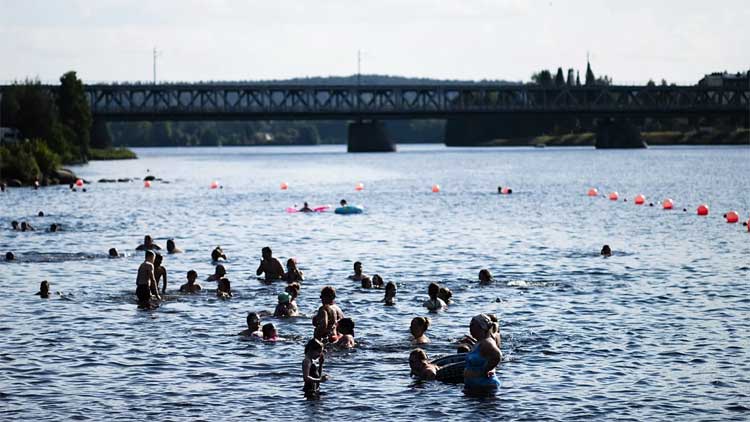
A searing heat wave that struck Norway, Sweden, and Finland in July — killing dozens and disrupting wildlife — was made at least 10 times more likely by human-induced climate change, a rapid analysis has found.
The World Weather Attribution (WWA) network said the two-week event, beginning July 9, was extraordinary for both its intensity and duration. In Norway, local stations logged 13 straight days above 30°C, while Finland endured its longest run of such high temperatures. Sweden recorded nearly 200 forest fires, and dozens drowned in Sweden (31) and Finland (28) while trying to cool off.
Researchers said the heat was about 2°C hotter than it would have been in a pre-industrial climate. With health services already understaffed during Nordic summer holidays, the spike in emergencies strained hospitals and care facilities. Poorly ventilated, highly insulated buildings also trapped heat, leaving elderly populations at particular risk.
The impacts extended to wildlife: reindeer deaths were reported, with herds seeking relief in towns or struggling to graze. For the Indigenous Sámi, who rely on reindeer herding, the disruptions represent a pressing human rights issue.
Scientists warned that such extreme heat, once considered rare in northern Europe, will become increasingly common without rapid cuts to greenhouse gas emissions.
Comments are closed.