
How Asia Will Shape the Future of Travel in 2026, Says New Report

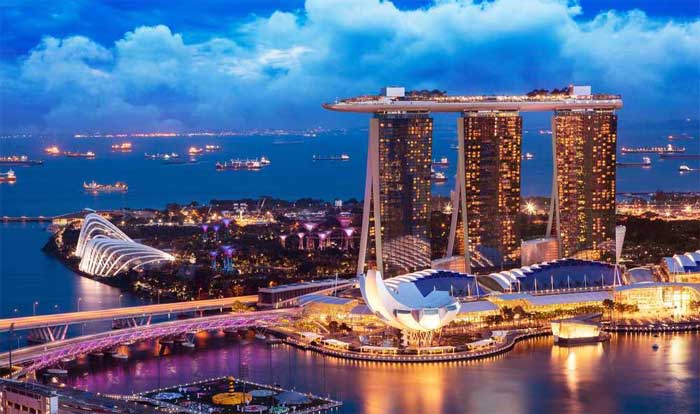
A newly released report offers a compelling look at how tourism is set to evolve in 2026 — and the strongest signals, it says, are coming from Asia. According to the Agoda 2026 Travel Outlook Report, travellers across nine surveyed markets are becoming more value-conscious, exploring destinations closer to home, and increasingly relying on technology to personalise their trips.
Domestic travel is rising sharply, secondary cities are gaining prominence, and shorter, more frequent getaways are becoming the new norm. With relaxed visa rules, expanding air networks, and frictionless digital payments, travel across the region is becoming easier than ever. Together, these trends suggest that Asia’s travellers are shaping not only regional patterns but also offering a preview of global travel behaviour in the year ahead.
A Shift Toward Value-Driven Travel
Price remains the top priority for 39% of Asian travellers — ahead of both location and reviews. Affordability is key: 73% prefer accommodations under USD 100 per night, particularly in Malaysia, Vietnam, and Indonesia. Rather than limiting travel, this price sensitivity is encouraging more of it. With 40% planning to spend 6–10% of their annual income on travel, they are choosing reasonably priced stays and destinations that enable multiple trips throughout the year.
Domestic Travel Is Redrawing the Map
The report highlights a surge in domestic tourism: 35% of respondents intend to travel mostly within their own country in 2026, up from 15% last year. This demand is fuelling interest in smaller cities, with secondary destinations growing 15% faster than major hubs. Japan’s Takamatsu and Matsuyama, along with Indonesia’s Riau province, are emerging as strong examples — supported by government initiatives and improved flight connectivity.
Experiences Take Centre Stage
Travel motivations are shifting, with experiences gaining top priority. Culinary travel ranks among the biggest motivators, while cultural exploration remains a strong draw. Major events are also influencing travel patterns: Lady Gaga’s Singapore concert announcement led to a massive 358% spike in searches, and BLACKPINK’s Bangkok shows caused an 18% overall increase. Spiritual travel continues to grow as well — searches for Allahabad rose 233% ahead of the Mahakumbh Mela, and Holi-related travel jumped 25% year-on-year.
Travel Across Asia Is Becoming More Seamless
Relaxed visa rules and expanded connectivity are transforming mobility across the region. With 35% of travellers saying visa requirements influence their plans, destinations easing entry rules are seeing immediate benefits. The report notes: “When Malaysia and Thailand removed visa requirements for Indians, almost overnight, a double-digit jump in searches was noted from these origins.”
Airlines in the Asia-Pacific are also set to take delivery of about 615 new aircraft in 2026, improving direct connections and lowering travel barriers. Additionally, cross-border QR payments and linked digital wallets are simplifying transactions, enabling travellers to pay in their home currency across multiple countries.
AI Goes Mainstream for Trip Planning
Asia is rapidly adopting AI as a travel tool. Nearly 63% of travellers say they’re likely to use AI for their next trip, while 44% already trust its recommendations. Travellers expect AI to offer personalised itineraries, real-time translations, and smart suggestions for attractions. Agoda highlights the shift toward “Agentic AI,” capable of making proactive adjustments such as rescheduling activities due to weather or reorganising itineraries after flight delays.
Comments are closed.