
Heatwaves Linked to 16,500 Deaths Across Europe This Summer, Study Finds

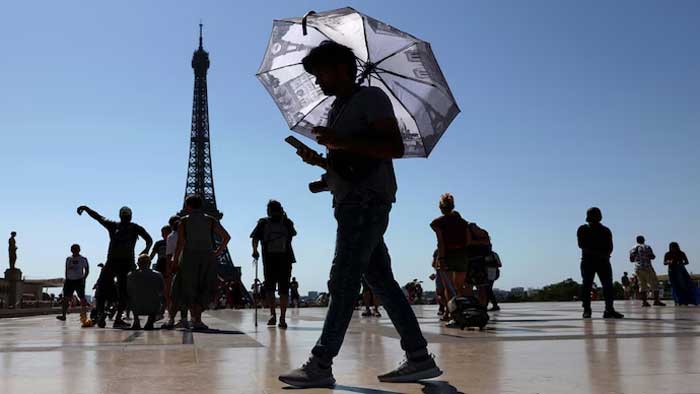
Scientists estimate that this summer’s extreme heat across Europe claimed around 16,500 lives, highlighting the mounting human toll of climate change.
The findings, released by researchers from Imperial College London and the London School of Hygiene & Tropical Medicine, are based on climate models and historical data rather than official statistics, which have yet to be published.
Climate Change’s Deadly Contribution
The team estimated that climate change raised temperatures in over 850 European cities by an average of 2.2°C between June and August. By comparing mortality during this period with a hypothetical scenario in which the planet was not 1.3°C warmer due to human-driven climate change, they concluded that nearly 70% of heat-related deaths could be attributed directly to global warming.
In total, they estimated 24,000 excess deaths occurred, with climate change responsible for more than two-thirds.
Why the Toll May Be Higher
Experts warn that the real number of deaths could be underestimated. Many fatalities officially recorded as caused by cardiovascular or respiratory issues — particularly among older populations — may have in fact been triggered or worsened by extreme heat.
Friederike Otto, co-author of the study, acknowledged the difficulty of getting immediate data. “It’s impossible to get real-time statistics right now,” she said, but stressed that the estimates were “in the right ballpark.”
Cities Hit the Hardest
The study identified several cities with the highest death tolls:
-
Rome: 835 deaths
-
Athens: 630 deaths
-
Paris: 409 deaths
Notably, the Balkans region was not included in the analysis, meaning the true toll across Europe could be even greater.
In Line With Global Alarming Trends
The results echo other research on climate-linked heat deaths. A Nature Medicine study in 2023, for example, found that more than 47,000 people died across Europe during that year’s summer heatwaves.
Scientists also caution that, in the rush to understand the unfolding crisis, many studies are released before undergoing peer review or formal publication — a process that can take years. Still, they say the urgency of the situation justifies producing rapid estimates to inform policymakers and the public.
A Growing Warning
“The actual death toll could be even higher,” said Akshay Deoras, a climate researcher at the University of Reading, in comments to AFP.
The findings reinforce warnings that climate change is not only a future threat but already claiming lives across the continent. With heatwaves increasing in frequency, intensity, and duration, experts say Europe’s cities — particularly those with dense populations and vulnerable elderly residents — are on the frontline of a worsening climate emergency.
Would you like me to also boil this down into a shorter 400–500 word news report (like something for a daily newspaper), or keep it as this in-depth explainer style?
Comments are closed.