
Heatwave Days to Double by 2030 in Major Indian Cities, Climate Report Warns

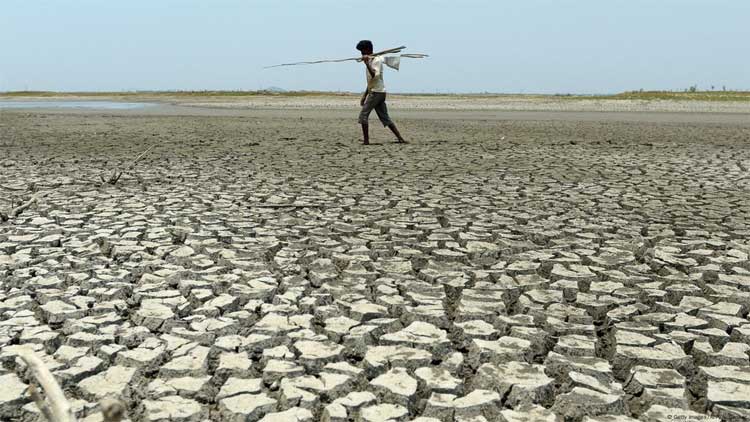
India is on the brink of a significant rise in extreme weather events, with climate change set to dramatically escalate the frequency and intensity of both heatwaves and heavy rainfall by 2030—especially across its urban centers, according to a new study by IPE Global and Esri India.
The report, based on a state-of-the-art climate risk observatory tool using downscaled ensemble and dynamic modelling, warns that cities such as Delhi, Mumbai, Chennai, Surat, Thane, Hyderabad, Patna, and Bhubaneswar could see a two-fold increase in heatwave days compared to 1980. These prolonged heatwave conditions are expected to trigger more frequent, erratic, and intense rainfall events, increasing both urban vulnerability and infrastructure strain.
Key Projections for 2030
-
Extreme Rainfall: A 43% increase in the intensity of extreme rainfall events across India is expected, making the country both hotter and wetter.
-
Heatwave Surge: Since 1993, India has seen a 15-fold increase in extreme heatwave days during the March–September period. In the last decade alone, this number has surged 19-fold.
-
Urban Impact: Nearly 72% of tier-I and tier-II cities are projected to face intensified occurrences of heat stress and extreme rainfall, often accompanied by lightning, hailstorms, and storm surges.
Double Climate Blow for States
More than 75% of districts across key states—including Gujarat, Rajasthan, Tamil Nadu, Odisha, Uttarakhand, Himachal Pradesh, Maharashtra, Uttar Pradesh, Meghalaya, and Manipur—are expected to be hit by the dual threats of heat stress and erratic rainfall by 2030. Many of these areas will experience at least one heatwave during March to May, along with unpredictable monsoon conditions.
Coastal regions are particularly at risk, with 69% of coastal districts projected to face extended periods of heat-stress-like conditions during the monsoon months (JJAS). This number is expected to rise to 79% by 2040, the report warns.
A Catastrophic Pattern Already Unfolding
The report cites last summer’s extreme weather—which included prolonged heatwaves and devastating floods, killing over 100 people and impacting thousands—as a stark example of the accelerating crisis.
“Climate change has already exposed India to a severe uptick in extreme heat and rainfall. By 2030, the situation is only going to get grimmer,” said Abinash Mohanty, Head of the Climate Change and Sustainability Practice at IPE Global and lead author of the study.
Mohanty noted that meteorological phenomena like El Niño and La Niña are becoming more intense, contributing to abrupt climate surges including floods, cyclones, and extreme heat.
Policy Recommendations: Building Climate Resilience
The study makes a strong case for embedding risk assessment and resilience planning into national policy frameworks. It calls for:
-
Establishing Climate Risk Observatories (CROs): To identify and monitor chronic and acute heat risks at a hyper-local level.
-
Hyper-Granular Risk Assessment Tools: To inform city planning, infrastructure development, and agricultural strategies.
-
Risk Financing Instruments: To mitigate economic impacts from extreme weather events such as heatwaves and floods.
“India must urgently embrace a data-driven, decentralized approach to climate resilience. Without this, both urban development and food security are at significant risk,” Mohanty emphasized.
Conclusion:
With over two-thirds of India’s cities and most of its key districts heading toward intensified climate extremes, the study offers a sobering reminder of the urgent need for climate preparedness. Investing in local-level climate monitoring and risk reduction strategies could be the difference between resilience and disaster in the coming decade.
Comments are closed.