
Has India Agreed to Zero Tariffs on US Goods? Questions Loom Over Trump-Modi Trade Deal

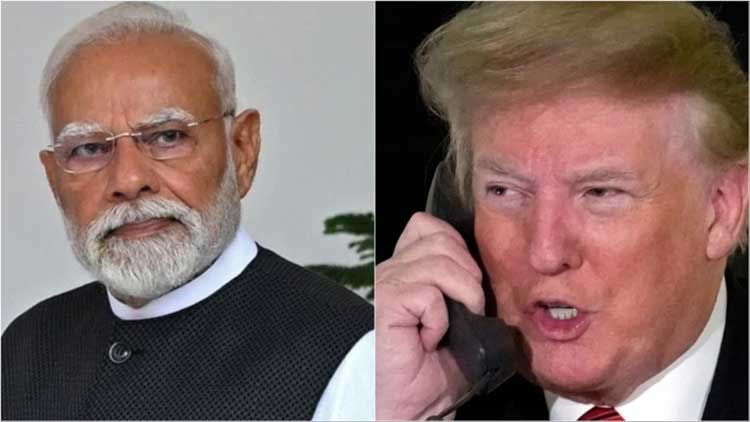
Many questions remain unanswered about the India-US trade deal announced on Monday by President Donald Trump and confirmed by Prime Minister Narendra Modi, with both sides reluctant to share details even as Trump made sweeping claims on social media.
While technical and legal work on the agreement is still underway, the US side has been relatively more forthcoming. US Trade Representative Jamieson Greer said on Tuesday that the deal would cut India’s tariffs on American industrial goods to zero from 13.5 per cent, while allowing New Delhi to retain some protections on agricultural imports.
In New Delhi, Commerce Minister Piyush Goyal addressed the media for about 20 minutes, praising the Modi-Trump “friendship” and promising benefits for “all 140 crore Indians”. He said the agreement would be signed after being finalised “shortly”, with ANI citing sources as saying a joint statement could be issued this week.
In an interview with CNBC, Greer said tariffs on items such as tree nuts, wine, spirits, fruits and vegetables would be reduced to zero. However, he did not mention sensitive commodities such as rice, soybeans, sugar and dairy, which India also excluded from its recent trade agreement with the European Union.
Political timing
The announcement came at a sensitive political moment for Modi, following uproar in Parliament after Opposition leader Rahul Gandhi cited excerpts from an unpublished memoir by former army chief General MM Naravane on India-China border tensions.
Within hours of the disruption in the Lok Sabha, Trump’s tariff-cut announcement dominated public discourse.
The deal signals an attempt to reset strained bilateral ties, with tariffs reportedly reduced from 50 per cent to 18 per cent, including the removal of punitive duties linked to India’s purchases of Russian oil.
Trump claimed Modi had agreed to buy $500 billion worth of US goods, slash tariffs to zero and stop importing Russian crude. Modi, however, did not confirm these details in his post on X, referring only to the reduced tariff rate.
India currently imports less than $50 billion annually from the US, making the proposed $500 billion target difficult to achieve. Congress MP Shashi Tharoor flagged this concern, while Rahul Gandhi accused Modi of “selling the country under pressure”.
Despite these criticisms, the agreement has been welcomed by officials from both sides and by sections of investors.
“What products are covered, what the timelines are, and whether India has really agreed to zero tariffs and zero non-tariff barriers, especially in sensitive sectors like agriculture, remain unanswered,” said Ajay Srivastava of the Global Trade Research Initiative.
Former US envoy Kenneth Juster described the deal as “great news” for bilateral relations and said further tariff reductions were possible if talks continued.
Energy and oil imports
A major sticking point remains India’s purchases of Russian oil. Trump said Modi had agreed to buy more oil from the US and possibly Venezuela, and reduce imports from Iran and Russia. Indian officials have not confirmed these claims.
Russia said it had no information about any change in India’s energy policy.
An unnamed official told Bloomberg that the $500 billion commitment would be spread over five years and could include existing and planned investments in sectors such as energy, infrastructure and data centres.
Economic outlook
Goyal said India had secured “the best deal in the region”, with an 18 per cent tariff rate lower than those faced by several Southeast Asian economies.
The US accounts for nearly one-fifth of India’s exports, and analysts say lower tariffs could boost manufacturing investment as companies seek alternatives to China.
A senior bureaucrat told Bloomberg that India’s GDP growth could reach 7.4 per cent in the next fiscal year, exceeding earlier projections.
Chief Economic Adviser V Anantha Nageswaran said tariff uncertainty had disrupted the “China-plus-one” strategy, and greater clarity could restore momentum.
“The details remain cloudy, but if both sides deliver on the reductions indicated, this could unlock real commercial opportunities,” said Rick Rossow of the Center for Strategic and International Studies.
Diplomatic reset
Negotiations have been underway since Trump returned to office last year, but there were few signs until recently that a breakthrough was near. Momentum appeared to build after the arrival of US Ambassador Sergio Gor last month.
Following the announcement, Gor said bilateral ties had “limitless potential”.
Goyal stressed that sensitive sectors such as agriculture and dairy had been protected, countering claims by US officials that more American farm products would enter the Indian market.
The agreement comes days after India finalised a major trade deal with the European Union, taking the number of trade pacts signed since May 2025 to five.
While the US deal marks a reset in ties after months of strain, its broad contours and lack of clarity have raised fresh domestic questions for Prime Minister Modi, reflecting lingering uncertainty over its long-term impact and Trump’s unpredictable record.
Comments are closed.