
H-1B Visa Fee Now Exceeds Annual Salary for Most Holders

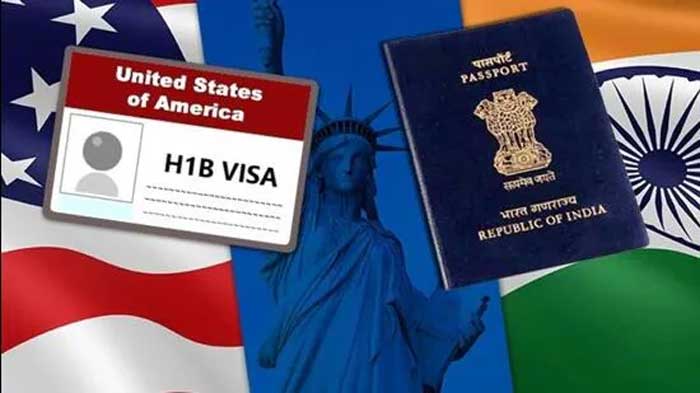
US President Donald Trump on Friday unveiled sweeping changes to the H-1B visa programme, including a staggering $100,000 visa fee.
Analysis by Hindustan Times suggests that the move could effectively cripple the programme. The fee alone exceeds the median annual salary of a first-time H-1B worker and more than 80% of the average wage of all H-1B employees. India, historically the largest beneficiary of the programme, stands to be the hardest hit—potentially more than by Trump’s previous 50% tariffs on Indian exports. This marks yet another strain on Indo-US relations.
Key Changes to the H-1B Visa Programme
According to the Financial Times:
“The six-figure ($100,000) application fee — which US Secretary of Commerce Howard Lutnick said employers would have to pay annually — marks a departure from the current system, which charges $215 to register for the H-1B lottery and an additional $780 for employers sponsoring visa applicants. A White House executive order calls it an application fee but does not mention annual payments.”
Alongside the H-1B changes, the administration also announced a “gold-card” visa scheme, allowing individuals or corporations to secure US visas by paying $1 million or $2 million—roughly ₹9 crore and ₹18 crore respectively.
Implications for H-1B Workers
While Trump’s order may still evolve, the $100,000 fee effectively makes it prohibitively expensive. For first-time H-1B employees, the fee now exceeds the median annual wage of $97,000. Even for continuing visa holders, whose median wage is $132,000, the fee approaches the average annual compensation of $120,000. Such costs could dissuade companies from filing applications altogether.
India: The Biggest Loser
In 2024, Indians received 71% of all H-1B visas—399,395 approvals—far surpassing other countries, with China at just 11.7%. Given India’s historical dominance in H-1B allocations, the new fee structure threatens to hit Indian workers and IT companies the hardest, potentially reshaping the landscape of talent mobility to the US.
Comments are closed.