
GST Rate Cuts and Tax Reforms to Save Indians ₹2.5 Lakh Crore, Says PM Modi

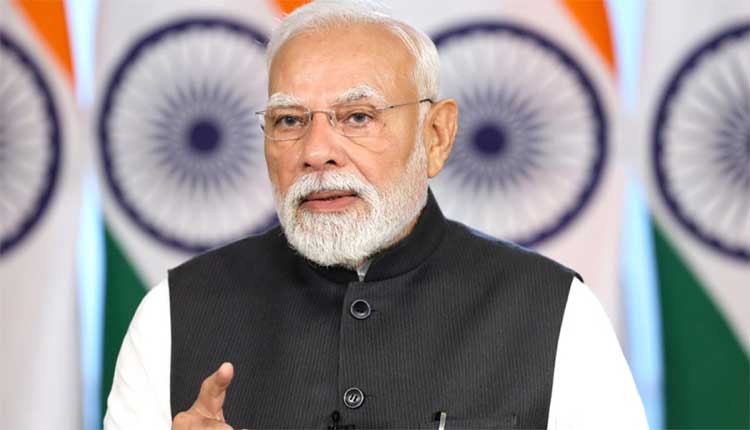
Prime Minister Narendra Modi on Sunday evening said Indians are set to save ₹2.5 lakh crore with the GST rate revisions that came into effect today (September 22), alongside income tax reforms announced earlier this year.
Calling it a “savings festival,” Modi noted that the income tax changes primarily benefit the middle class, while the GST cuts provide relief to lower- and middle-income households.
Starting today, the first day of Navaratri, reduced GST rates on around 375 items make essentials and aspirational goods more affordable. Items such as kitchen staples, medicines, electronics, appliances, and automobiles are now cheaper.
What You Need to Know About GST 2.0
The new two-tier GST structure taxes most goods and services at 5% or 18%, while ultra-luxury items face a 40% levy. Tobacco and related products remain at 28% with an additional cess. Previously, GST was applied across four slabs — 5%, 12%, 18%, and 28% — with a compensation cess on luxury and “sin” goods.
Essential items like ghee, paneer, butter, snacks, coffee, and ice cream, as well as TVs, air conditioners, and washing machines, will now cost less. PM Modi urged citizens to buy swadeshi products, saying the reforms would boost growth, ease business operations, and attract investors.
The Opposition, however, criticised the move as “a band-aid on deep wounds,” demanding an apology for previously taxing essentials.
Policymakers hope stronger domestic demand will cushion India against the impact of US tariffs on merchandise exports. Modi also highlighted benefits for small and medium enterprises (SMEs), saying lower taxes will enhance competitiveness and support an economy largely driven by small businesses.
The GST overhaul is the biggest revamp since its introduction in 2017, simplifying the system from four slabs to mainly two. Analysts expect the reforms to spur consumption across key sectors: lower automobile prices could attract first-time buyers and upgrades, boosting manufacturing, components, and financing; meanwhile, cheaper household goods and appliances — timed with the festive season — are likely to drive sales across FMCG networks, retail chains, and e-commerce platforms.
Comments are closed.