
GST Council Approves Major Rate Cuts, Slabs Reduced to Boost Consumption

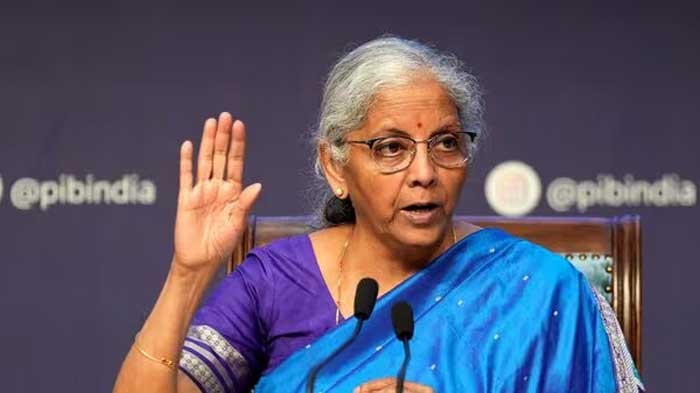
The GST Council on Wednesday approved sweeping tax cuts on goods ranging from household essentials and medicines to cars, appliances, and insurance policies, in the biggest overhaul of India’s indirect tax system since its 2017 rollout. The new rates take effect September 22.
Announcing the decisions after the Council’s 56th meeting, Union Finance Minister Nirmala Sitharaman said the reforms would simplify the GST structure by reducing four slabs to two main rates of 5% and 18%, with a 40% levy reserved for luxury and sin goods. The changes, she said, will cost the exchequer an estimated ₹48,000 crore annually but are aimed at spurring domestic demand amid global trade headwinds.
Key reliefs include full GST exemption on all individual life and health insurance policies, as well as rate cuts on farming equipment and labor-intensive industries. Sin goods such as cigarettes, luxury cars, and carbonated drinks will attract a higher 40% rate under a new structure replacing the compensation cess.
Sitharaman stressed the “comprehensive” nature of the reforms, saying they also correct inverted duty structures, simplify compliance, and operationalize the GST Appellate Tribunal. “This is not just rationalisation, it is structural reform,” she said.
The Council approved the changes unanimously, though several opposition-led states voiced concerns over revenue losses and sought compensation. Kerala Finance Minister K.N. Balagopal and J&K Chief Minister Omar Abdullah warned of fiscal pressures, while BJP-ruled states strongly backed the plan.
Prime Minister Narendra Modi hailed the move as “a Diwali gift” that would lower costs for households and ease business operations. Industry groups said they would pass on benefits to consumers, with experts noting the timing—just ahead of the festive season—was likely to lift consumption.
Comments are closed.