
Global warming likely to reach 2°C before 2050, a level associated with catastrophic impacts

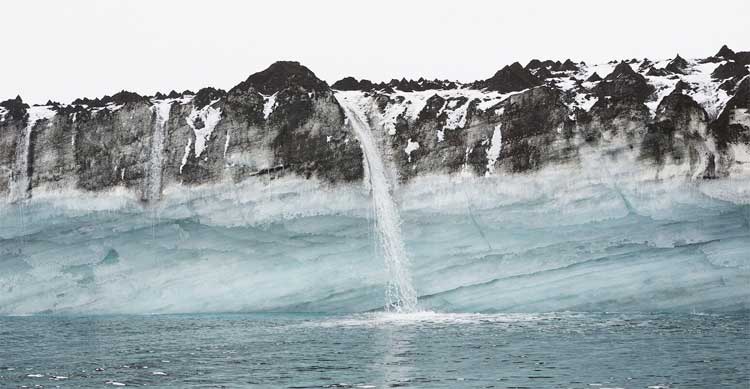
Global warming is now likely to reach 2 degrees Celsius before 2050 unless urgent action is taken, a new report has warned, a threshold linked to severe and potentially catastrophic impacts on societies and economies worldwide.
The 31-page report, Parasol Lost: Recovery Plan Needed, jointly produced by the Institute and Faculty of Actuaries (IFoA) and the University of Exeter, cautions that unchecked warming could cause major disruption to food and water systems, accelerate migration, harm human health and destabilise global economies.
The study, the fourth in a series, highlights how decades of economic modelling have underestimated the true costs of climate change, contributing to policy complacency and delayed action.
Researchers warned that global temperatures are rising faster than previously predicted due in part to the loss of “aerosol cooling” — a hidden sunshade effect caused by air pollution that has masked around 0.5°C of warming. As pollution levels fall, particularly due to stricter shipping regulations, this cooling effect is rapidly diminishing, exposing the planet to accelerated heating.
The report said this could trigger climate-driven inflation, financial shocks and the withdrawal of insurance from high-risk regions much sooner than expected. These developments, it warned, raise the risk of widespread financial instability and what it termed “planetary insolvency” — the collapse of social and economic systems due to the breakdown of nature’s life-support functions.
Sandy Trust, IFoA sustainability board member and lead author of the report, said humanity may have “seriously underestimated” both the pace of warming and its economic consequences.
“Planetary solvency is threatened, and we urgently need a recovery plan,” Trust said. “An actuarial review of climate assumptions shows that unless we rapidly change course, climate damage will begin to undermine economic growth and future prosperity.”
Trust also drew parallels with the global financial crisis, warning that climate inaction reflects similar failures in risk management.
“The parallels between the risk management failure of the Global Financial Crisis and inaction on the systemic risk posed by climate change are clear,” the report said, citing over-reliance on optimistic risk models and a failure to grasp the scale of systemic threats.
Comments are closed.