
Gaza Ceasefire ‘Exists In Name Only’, Over 100 Aid Groups Warn One Year On

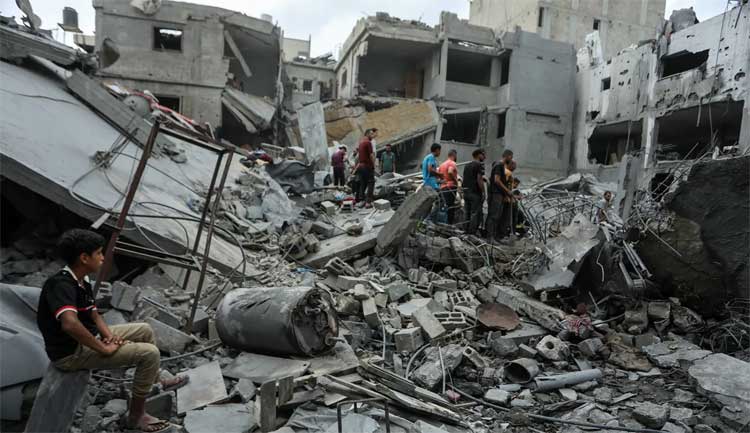
More than 100 humanitarian and human rights organisations on Friday warned that the Gaza ceasefire exists “in name only”, saying Palestinians continue to face Israeli attacks, widespread hunger and a devastated healthcare system a year after the agreement took effect.
In a joint statement marking the first anniversary of the October 10 ceasefire, the organisations said more than 1,400 Palestinians, including at least 327 children, had been killed by Israeli forces over the past 12 months. Nearly two million people still need shelter, while none of Gaza’s 36 hospitals is fully functioning, they added.
The groups warned that conditions could deteriorate further as winter approaches, exposing displaced Palestinians to freezing temperatures, heavy rainfall and flooding.
They said continued Israeli military operations and restrictions on humanitarian aid, medical equipment and reconstruction materials had prevented families from rebuilding their lives, leaving much of the population in overcrowded and dangerous conditions.
“The killing and deprivation in Gaza must not be normalized under the cover of a ceasefire agreement,” the joint statement said.
Trump’s Gaza Peace Plan Remains Stalled
The warning comes as US President Donald Trump’s 20-point Gaza peace plan remains stalled, with key provisions yet to be implemented. These include the disarmament of Hamas, a complete Israeli military withdrawal and the launch of a comprehensive postwar reconstruction process.
Inger Ashing, chief executive of Save the Children International, said a child had been killed almost every day since the ceasefire was announced.
“A ceasefire is meaningless if children are still being killed and families are still unable to rebuild their lives,” she said, urging governments backing the agreement to ensure children have access to adequate food, healthcare, shelter and education.
Widespread Destruction Leaves Families Without Shelter
According to the organisations, more than 80% of structures across Gaza have sustained damage to some degree, with approximately two-thirds completely destroyed. Hundreds of thousands of families continue to live in tents, makeshift shelters or buildings at risk of collapse.
In September, 21 people, including 12 children, were killed when a damaged building collapsed in Gaza City. Another 45 people were rescued despite shortages of heavy equipment needed for the operation.
Jan Egeland, secretary-general of the Norwegian Refugee Council, said Israeli restrictions on construction equipment and building materials continued to obstruct recovery efforts.
“It is utterly shameful that a full year after the ceasefire was signed, so little has improved for Palestinians in Gaza,” he said.
Thousands Await Urgent Medical Evacuations
The organisations said more than 18,500 patients, including at least 4,000 children, were awaiting evacuation for medical treatment outside Gaza. More than 1,000 people have died while waiting for treatment, they added.
Israel continues to control approximately two-thirds of Gaza, according to the statement. Disagreements over Hamas’s disarmament have stalled further Israeli withdrawals and the deployment of an international stabilisation force.
Reconstruction has barely begun, with an estimated $71.4 billion required to rebuild the war-ravaged territory.
Meanwhile, approximately 1.4 million Palestinians are expected to face crisis-level hunger or worse by the end of the year. The situation has been compounded by shortages of clean water and the destruction of sanitation infrastructure.
Aid Groups Demand End To Attacks, Restrictions
The organisations also accused Israeli forces of extending their control beyond the withdrawal boundary established under the ceasefire agreement, known as the Yellow Line, further restricting the territory available to displaced Palestinians.
They called on the international community to pressure Israeli authorities to end attacks, lift restrictions on humanitarian assistance and reconstruction supplies, and ensure accountability for alleged violations of international law.
Agnes Callamard, secretary-general of Amnesty International, warned that Gaza’s recovery could not be separated from justice for victims.
“Accountability cannot be swept under the rubble,” she said.
Comments are closed, but trackbacks and pingbacks are open.