
Gavi, UNICEF Secure 25% Price Cut for India-Made Malaria Vaccine, Enabling Wider Reach Amid Aid Shortfall

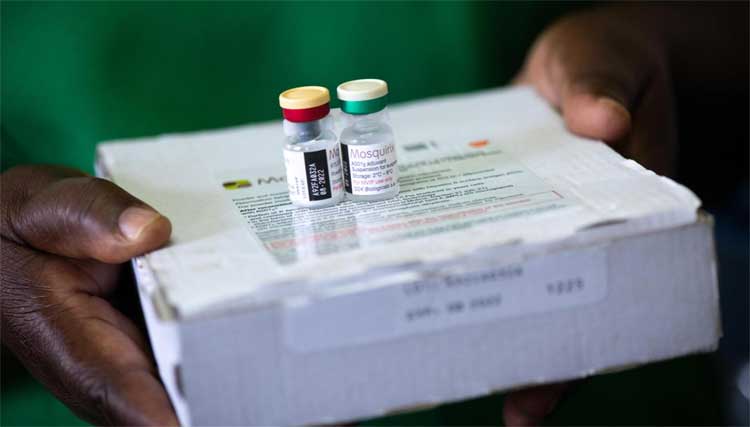
Global vaccine alliance Gavi and UNICEF have secured a 25% price reduction for the R21 malaria vaccine produced by the Serum Institute of India, a move expected to significantly expand access despite shrinking international aid budgets.
Under the new agreement, the cost of each dose will drop from roughly $4 to $2.99 within a year. UNICEF purchases the doses using Gavi funding, supplying immunization programmes in some of the world’s poorest countries.
According to Gavi, the price cut will save an estimated $90 million—enough to procure an additional 30 million doses and protect up to 7 million more children over the next five years.
The development comes after Gavi fell $3 billion short of its fundraising target earlier this year, as major donors including the United States shifted focus to other global priorities. “At this critical juncture of unprecedented decline in funding for international aid, UNICEF is determined to continue our proactive work with partners,” said Leila Pakkala, director of UNICEF’s supply division.
Infants need four doses of R21 for full protection. At the new rate, a complete course will cost $11.96. Malaria continues to kill more than 500,000 people annually—mostly children under five in sub-Saharan Africa.
For context, treating an uncomplicated malaria case in the region costs $4 to $7 per outpatient visit, while severe cases requiring hospitalization can exceed $70, according to WHO data cited by Gavi.
The only other approved malaria vaccine, developed by GSK, costs about $10 per dose. Earlier this year, GSK and Bharat Biotech said the price would be cut by half when Bharat takes over production in 2028.
Comments are closed.