
G20 Summit Approves Declaration Over US Boycott, Strong Opposition

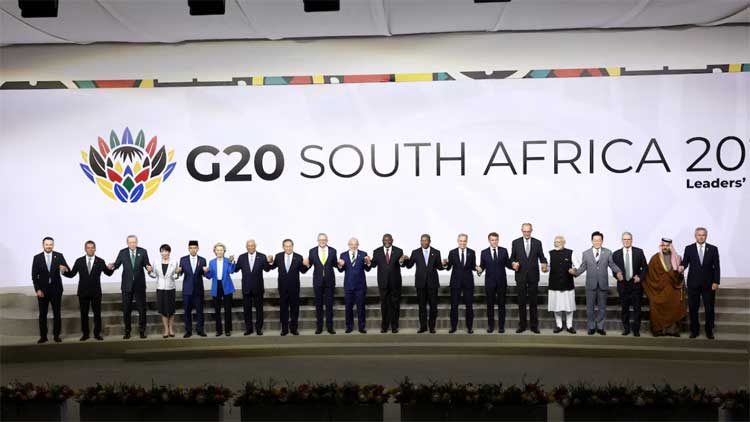
Group of 20 leaders adopted a summit declaration on Saturday addressing climate change and other global challenges — a move taken over formal US objections and without American involvement in drafting the text. The White House accused host nation South Africa of “weaponizing” its G20 presidency and undermining the group’s traditions of consensus.
South African President Cyril Ramaphosa’s spokesperson, Vincent Magwenya, said the declaration “can’t be renegotiated,” noting the “intense” year-long negotiations to secure agreement. The US boycotted the summit in Johannesburg.
Hours later, the White House blasted Ramaphosa for refusing to facilitate “a smooth transition” of the G20 presidency, even suggesting he would pass the gavel to “an empty chair.” Spokeswoman Anna Kelly said the declaration was pushed through “despite consistent and robust US objections.” Trump, she added, looks forward to “restoring legitimacy” when the United States assumes the presidency next year.
Ramaphosa maintained there was “overwhelming consensus” for the document. But Argentina abruptly pulled out of the negotiations at the final moment. Foreign Minister Pablo Quirno said Buenos Aires could not endorse the text because of its treatment of geopolitical issues, particularly what he called an oversimplified reference to the Middle East conflict. The declaration includes a single line supporting “a just, comprehensive and lasting peace” in the Occupied Palestinian Territory.
US Objects to Climate Language
Four sources said envoys drafted the declaration without US involvement. Washington argued that issuing a statement without full consensus breaks G20 tradition. A senior Trump administration official called the move “shameful.”
The text includes language consistently opposed by Trump: strong warnings about climate change, support for expanding renewable energy targets, and attention to the crushing debt burdens of poorer nations. US officials had indicated they would resist any mention of climate change.
At the summit’s opening, Ramaphosa defended the African continent’s first G20 presidency, saying nothing should diminish its “value” or “impact.”
His tone contrasted sharply with his White House visit in May, where Trump repeated a debunked claim about a “genocide” of white farmers in South Africa and had dismissed Ramaphosa’s corrections. Trump later said he would not attend the summit over similarly discredited allegations that South Africa’s Black-led government persecutes white citizens.
Geopolitical Strains Highlight Divisions
The meeting took place amid global tensions over Russia’s war on Ukraine and contentious climate talks ahead of COP30 in Brazil. Japan’s Cabinet Public Affairs Secretary Maki Kobayashi emphasized the importance of “finding common ground” within a diverse G20.
Magwenya said Argentina had been “participating quite meaningfully” in negotiations before failing to attend the final meeting to endorse the text. South Africa insisted it had achieved “sufficient consensus.”
The US also criticized South Africa’s agenda, which focused heavily on climate adaptation, debt reform, and support for developing nations. South African Foreign Minister Ronald Lamola pushed back, saying: “This G20 is not about the US. We are all equal members.”
European Commission President Ursula von der Leyen warned against the “weaponization of dependencies” in global supply chains — a veiled reference to China’s controls on rare earth exports. Chinese Premier Li Qiang urged G20 members to return to “the right track of unity and cooperation.”
South Africa additionally rejected a US proposal to send a chargé d’affaires for the G20 handover. Magwenya said Ramaphosa would not transfer the presidency to a “junior embassy official,” calling it a breach of protocol. Lamola later said South Africa would match the U.S. diplomatic rank during the handover at the Foreign Affairs Department.
Comments are closed.