
From ‘Outsider’ to Architect of Change: Eleven Years of Narendra Modi’s Leadership

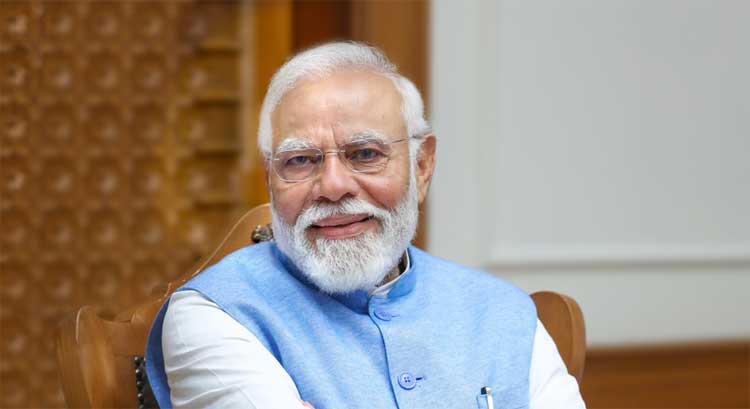
On Independence Day 2014, dressed in a white kurta and a bright Rajasthani safa, Prime Minister Narendra Modi called himself an “outsider to Delhi.” Speaking from the Red Fort, he described a fragmented system of “separate governments” within one, each with its own fiefdom. That speech signaled a break from the past — and the beginning of a governance and political transformation that has since defined his tenure.
Politics and Party
Inside the BJP, Modi quickly recalibrated the role of the cadre, directing workers to anchor flagship campaigns like Swachh Bharat and expand the party’s reach, even in non-traditional strongholds. Party chief J.P. Nadda credits him for making the BJP the world’s largest political party, with 140 million members and governments in 20 states.
Modi’s personal authority also allowed the NDA to regroup after key allies left. Under his watch, ideological goals — from the Ram Temple in Ayodhya to the abrogation of Article 370 — were realized. Strategically, he revived social engineering, consolidating diverse caste groups under the broad umbrella of “the poor, youth, women, and farmers.”
Economy and Governance
Modi inherited an India tagged among the “fragile five” and has overseen its rise to the world’s fourth-largest economy. His approach — draft policies as if for the poorest citizen — underpinned reforms like GST, financial inclusion through Jan Dhan accounts, and an unprecedented digital payments surge.
His tenure saw a push for infrastructure, Make in India, and a restructured Niti Aayog. Union ministers describe him as a “chalti phirti pathshaala” — a moving school — with deep subject knowledge and the ability to listen, filter, and decide.
Foreign Policy
From inviting SAARC leaders in 2014 to firmly declaring terror attacks as acts of war, Modi reshaped India’s external posture. Vaccine Maitri and large-scale evacuations — from Yemen to Ukraine — highlighted both compassion and resolve. He expanded diaspora outreach, turned yoga into soft power, and recalibrated ties with global powers, including the U.S. and China.
Welfare and Social Policy
Modi’s welfare vision stems from lived experience — his mother’s struggles with cooking fuel or the hardships of rural India. Schemes like Ujjwala Yojana, Ayushman Bharat, PM Awas Yojana, and Jan Dhan accounts created a new class of labharthis (beneficiaries). Infrastructure projects like the Atal Tunnel reflected his push to accelerate development even amid the pandemic.
Defence and Security
In defence, Modi expanded FDI, emphasized Atmanirbharta, and oversaw acquisitions like Rafale jets and the INS Vikrant. He institutionalized OROP, celebrated Diwali with soldiers, and launched structural changes such as the Agnipath scheme. More recently, he led Operation Sindoor, targeting terror bases in Pakistan and PoK.
The Modi Doctrine
Across these domains, a consistent theme emerges: a leader who rose from modest beginnings, reshaped governance, and centralized political messaging. Party ideologue Rakesh Sinha argues Modi has “redefined the idea of India,” blending development with cultural confidence.
Eleven years after calling himself an outsider, Modi has entrenched himself as both the BJP’s strongest asset and the architect of a transformed Indian state — one rooted in performance, accountability, and unapologetic assertion of national interest.
Comments are closed.