
From Ambulance to ICU: Examining the Coordinated Chain That Saves Trauma Victims

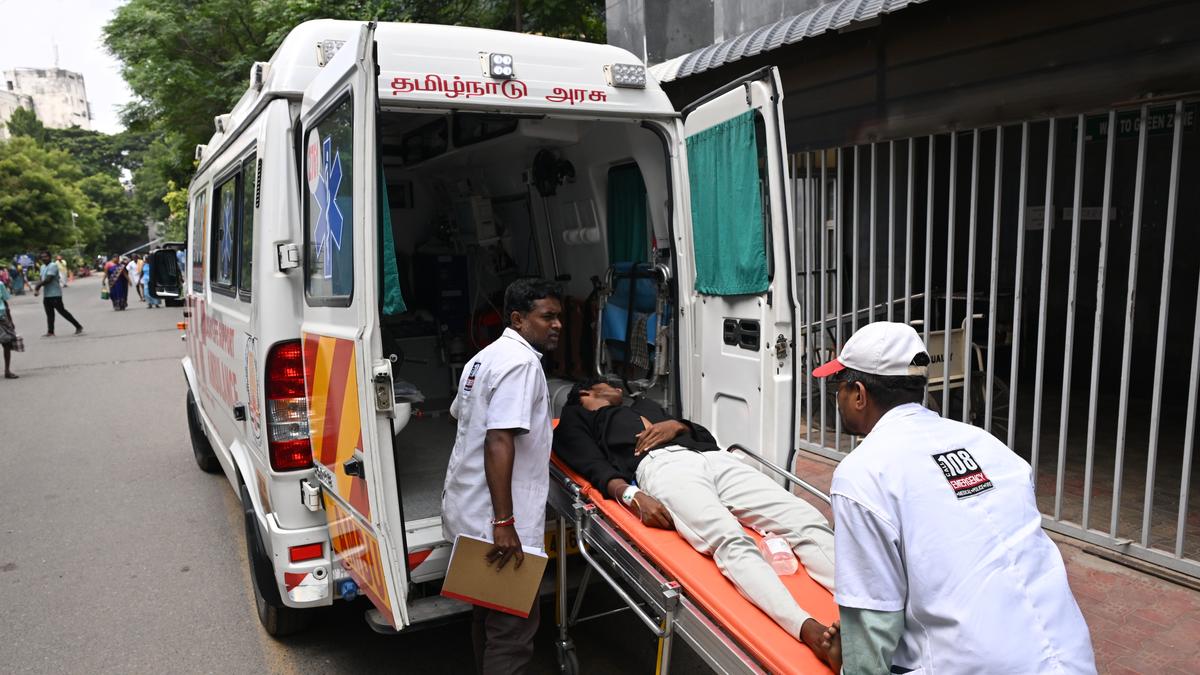
When a serious accident or medical emergency strikes, survival often depends not only on the severity of the injury but on how effectively the response system functions. The journey from the scene of trauma to the intensive care unit (ICU) is a race against time, precision, and coordination — a chain involving paramedics, emergency physicians, nurses, surgeons, and critical care specialists. Each link in this chain must work seamlessly to transform moments of chaos into structured, life-saving care.
The Golden Hour: Why Time Matters Most
In trauma medicine, the first 60 minutes following an injury are often called the “golden hour.” Rapid response during this window can determine whether a patient lives or dies. When paramedics arrive at the scene, their first task is to stabilize the patient — controlling bleeding, maintaining airway and breathing, and immobilizing fractures. Every second counts, and every decision must balance speed with safety.
Modern ambulances are equipped with advanced life-support systems, enabling paramedics to provide early interventions once possible only in hospitals. Monitoring devices, oxygen delivery, and defibrillators allow them to begin life-saving care before even reaching the emergency department.
The Emergency Department: The Command Center
Upon arrival, the baton passes to the emergency department (ED) team, where coordination becomes crucial. A designated trauma team — often including emergency physicians, surgeons, anesthesiologists, and nurses — stands ready to act.
In this stage, triage determines the order of treatment, ensuring that those with life-threatening injuries receive immediate attention. Quick diagnostic imaging, such as CT scans and ultrasounds, helps doctors pinpoint internal injuries. Laboratory teams simultaneously analyze blood samples for oxygen levels, clotting function, and other critical parameters.
The goal in the ED is clear: stabilize, assess, and decide — whether the patient needs surgery, advanced imaging, or admission to the ICU.
The Operating Room: Where Precision Meets Urgency
For patients with severe internal bleeding or organ damage, the next step is the operating room (OR). Surgeons perform damage-control procedures to stop bleeding, repair vital organs, or relieve internal pressure. The emphasis is on rapid, targeted intervention — not perfection, but survival.
Anesthesiologists and surgical nurses play key roles here, ensuring the patient’s blood pressure, oxygenation, and temperature remain stable throughout the operation. The OR embodies the most critical link in the trauma care chain — where coordination, communication, and quick judgment converge.
The ICU: Sustaining Life Beyond Crisis
Once surgery is complete, trauma care shifts to the intensive care unit (ICU) — the final and longest phase in the chain. Here, specialists focus on preventing complications, managing infections, and supporting organ recovery.
Ventilators assist breathing, intravenous lines deliver fluids and medications, and constant monitoring tracks every vital sign. Nutritionists, physiotherapists, and psychologists join the care continuum to help patients heal not just physically but mentally after trauma.
The ICU team’s role extends beyond medical treatment; it involves continuous evaluation and fine-tuning of care plans as the patient stabilizes and begins recovery.
The Unsung Heroes: Communication and Coordination
What truly defines successful trauma care is coordination. Each step — from the first responder’s actions to the ICU specialist’s vigilance — depends on real-time communication and shared information.
Many hospitals now use trauma networks and digital alert systems, ensuring that emergency teams are activated even before the ambulance arrives. This synchronization allows surgeons to prepare, diagnostic teams to stand by, and blood banks to mobilize resources in advance.
Training, Technology, and Teamwork
The modern trauma care system is built on three pillars: training, technology, and teamwork.
-
Training: Regular drills and simulation exercises prepare emergency responders for high-pressure situations.
-
Technology: Innovations like GPS-enabled ambulances, telemedicine support, and portable ultrasound devices improve response efficiency.
-
Teamwork: A multidisciplinary approach — where doctors, nurses, paramedics, and technicians function as one — ensures continuity of care from start to finish.
Beyond Survival: Rehabilitation and Recovery
Saving a life is only the first step. Post-ICU, patients often undergo long-term rehabilitation to regain strength, mobility, and confidence. Physical therapy, counseling, and community-based recovery programs help them reintegrate into daily life.
Hospitals increasingly adopt comprehensive trauma care models, emphasizing continuity from pre-hospital care to rehabilitation. This holistic approach recognizes that recovery is as much about emotional resilience as physical healing.
Conclusion
The path from ambulance to ICU is a remarkable demonstration of human skill, science, and coordination. Behind every trauma survivor stands a network of professionals bound by one mission: to turn tragedy into survival.
Every successful rescue is not just a medical achievement but a testament to what happens when systems, technology, and compassion align. In trauma care, no single hero saves a life — it’s the chain of care, unbroken and synchronized, that does.
Comments are closed.