
Fresh Iran-Israel Strikes Rock Region as Nuclear Standoff Deepens, Diplomatic Talks Stall

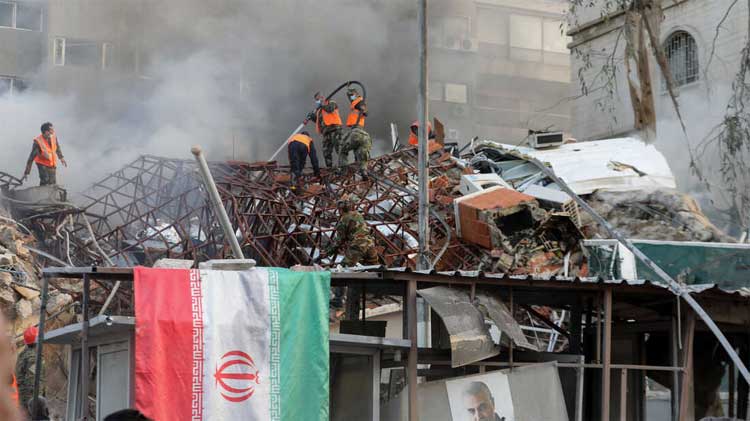
Iran and Israel exchanged a new round of attacks early Saturday, intensifying a volatile conflict as diplomatic efforts to salvage nuclear negotiations appeared to stall.
Shortly after 2:30 a.m. local time (2330 GMT Friday), air raid sirens blared across central Israel, including Tel Aviv and parts of the Israeli-occupied West Bank, following Israeli military warnings of an incoming missile barrage from Iran. Explosions echoed over Tel Aviv as Israel’s air defense systems engaged the assault, with visible interceptions lighting up the sky.
Simultaneously, Israel launched fresh strikes on Iranian missile storage and launch sites, according to military statements. Southern Israel also faced sirens, and authorities said five ballistic missiles were fired by Iran, though no direct impacts were immediately reported.
While there were no confirmed casualties initially, Israel’s emergency services shared images of a fire on a residential rooftop in central Israel, reportedly caused by missile debris.
The flare-up follows Israel’s initial airstrikes last Friday, which it said targeted Iranian nuclear weapons infrastructure. Iran, maintaining that its nuclear program is peaceful, responded with drone and missile attacks on Israeli territory.
The conflict has claimed significant casualties. The US-based Human Rights Activists News Agency reported 639 fatalities in Iran, including top military and nuclear figures, due to Israeli air raids. Israeli authorities reported 24 civilian deaths from Iranian missile strikes. Reuters has not independently verified these figures.
Stalemate in Diplomacy
Despite the violence, diplomacy trudged on. Iranian Foreign Minister Abbas Araqchi, while declaring no talks would occur under threat, arrived in Geneva Friday to meet European foreign ministers seeking a diplomatic breakthrough. Yet the talks yielded little.
Meanwhile, US President Donald Trump said he would wait up to two weeks before deciding on US involvement in the conflict. While signaling readiness to engage, Trump suggested he would not urge Israel to de-escalate. “If somebody is winning, it’s a little bit harder to do than if somebody is losing,” he remarked.
Trump also dismissed Europe’s ability to mediate, saying, “Iran doesn’t want to speak to Europe. They want to speak to us.”
The conflict has triggered an exodus of US citizens from Iran, according to a State Department cable cited by Reuters.
At the United Nations, Israeli envoy Danny Danon vowed continued strikes until Iran’s “nuclear threat is dismantled.” His Iranian counterpart Amir Saeid Iravani urged the Security Council to act, citing alarm over potential US entry into the war. Russia and China echoed calls for an immediate de-escalation.
A senior Iranian official told Reuters Tehran may be open to discussions about limiting uranium enrichment—but ruled out any deal that eliminates enrichment entirely, “especially now under Israel’s strikes.”
Comments are closed.