
France’s Palestine Recognition Revives Two-State Push Ahead of UN Conference

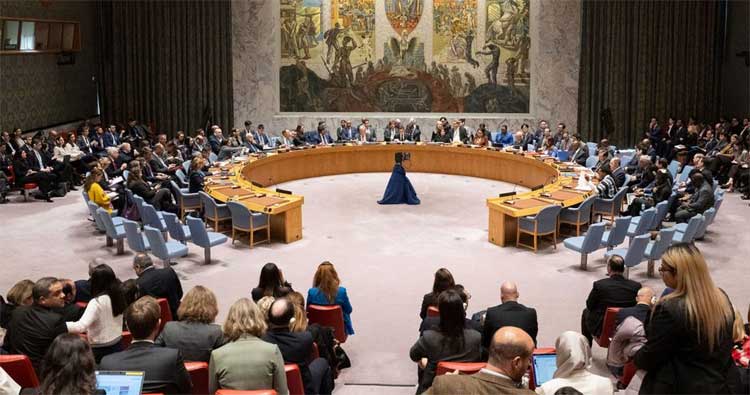
Fired by France’s imminent recognition of Palestinian statehood, momentum is building for a renewed global push toward a two-state solution, as over 100 nations prepare to gather next week in New York for a high-level conference. Co-hosted by France and Saudi Arabia from July 28–30, the meeting aims to revitalize stalled efforts to establish peaceful coexistence between Israel and a future Palestinian state — even as Israel continues its war in Gaza and is expected to boycott the talks.
Days ahead of the summit, French President Emmanuel Macron announced that France would formally recognize the State of Palestine in September — a move seen as pivotal. “Macron’s announcement changes the game,” said Richard Gowan of the International Crisis Group. “Other participants will be scrabbling to decide if they should also declare an intent to recognize Palestine.”
According to AFP, 142 of the 193 UN member states already recognize the Palestinian state declared in exile in 1988. The UN originally backed a two-state partition in 1947, but decades of conflict and shifting regional dynamics have left the vision elusive.
With over 21 months of fighting in Gaza, a surge in Israeli settlement expansion in the West Bank, and growing calls within Israel to annex occupied territories, observers warn that the prospect of a geographically viable Palestinian state is rapidly eroding.
The current Gaza war was sparked by a deadly Hamas attack on Israel, which responded with a massive military campaign that has resulted in tens of thousands of Palestinian casualties. The conference aims to address the dire humanitarian crisis while pushing forward a political solution.
Palestinian Prime Minister Mohammad Mustafa and ministers from dozens of nations are expected to attend. A French diplomatic source said the two-state solution is “more threatened than it has ever been, but even more necessary than before.”
Beyond recognition, the conference will focus on three core issues: reforming the Palestinian Authority, disarming Hamas and excluding it from public governance, and advancing normalization between Israel and remaining Arab states. However, no new normalization announcements are expected during the summit.
Key powers remain cautious. The UK has said it will not unilaterally recognize Palestine without a broader peace plan. Macron has also yet to persuade Germany to endorse recognition in the near term.
Calling for bold leadership, Palestinian UN envoy Riyad Mansour urged participants to show “courage” and seize the “unique opportunity to transform international law and consensus into an achievable plan.”
Neither Israel nor the United States will attend. Israeli ambassador Danny Danon said his country is boycotting the conference because it fails to first condemn Hamas or prioritize the return of Israeli hostages.
As the humanitarian toll in Gaza continues to escalate, representatives from around the world are expected to deliver impassioned addresses during the three-day summit, many sharply critical of Israel’s conduct. Analyst Richard Gowan predicted “very fierce criticism of Israel” as pressure mounts for a ceasefire and long-term political resolution.
Comments are closed.