
Fossil Fuel Talks Deadlock Pushes COP31 Climate Summit into Overtime

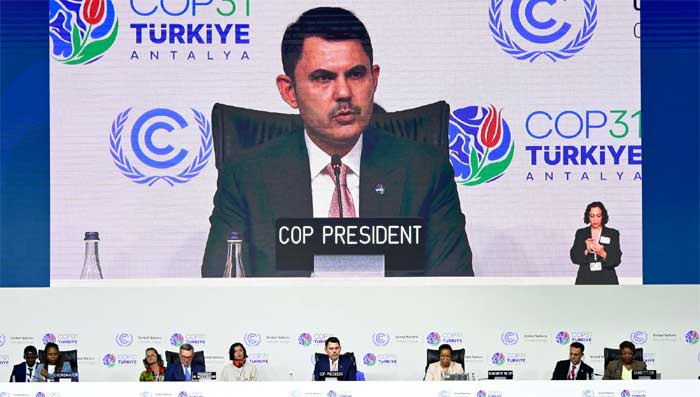
The United Nations Climate Change Conference, COP31, has been pushed into overtime after nearly 200 countries failed to reach an agreement on key climate commitments, particularly the future of fossil fuels. Deep disagreements between oil-producing nations, developed economies and climate-vulnerable countries have delayed the final agreement, raising concerns about the global response to climate change.
The two-week summit, held in Antalya, Türkiye, was scheduled to conclude on Friday, November 20. However, negotiations continued beyond the deadline as countries struggled to find common ground on reducing greenhouse gas emissions and providing financial support to developing nations.
Fossil Fuels Become the Biggest Point of Disagreement
The biggest obstacle to reaching an agreement has been the issue of fossil fuels, including coal, oil and natural gas.
An earlier draft agreement supported accelerating the transition away from fossil fuels. However, a revised version removed references to fossil fuels following objections from Saudi Arabia and other major oil and gas-producing countries.
The removal sparked criticism from several countries and environmental organisations, which argued that any meaningful climate agreement must clearly address the reduction of fossil fuel consumption.
The European Union warned that the summit risked becoming a ‘fossil summit’ rather than delivering meaningful progress on climate action.
Panama also strongly criticised the draft agreement, with its environment minister warning that the country would not accept a final document that ignored fossil fuels.
Climate Finance Dispute Adds to the Crisis
Another major disagreement at COP31 concerns financial assistance for developing countries.
Many developing nations are demanding greater financial support from wealthier countries to help them deal with climate change, extreme weather events, rising temperatures and natural disasters.
An earlier draft included a proposed $120 billion target for climate adaptation funding. However, this target was removed from the revised version, creating further frustration among vulnerable nations.
Developing countries argue that wealthy nations have a greater historical responsibility for greenhouse gas emissions and should provide sufficient financial resources to help poorer countries adapt to the growing climate crisis.
Carbon Capture Technology Faces Criticism
Carbon capture technology has also become a controversial subject during the negotiations.
The technology aims to capture carbon dioxide emissions from industrial facilities and power plants before they enter the atmosphere.
Some countries support expanding carbon capture as part of the global strategy to reduce emissions. However, critics argue that the technology remains expensive and has not yet been proven at the scale needed to address the climate crisis.
They also fear that excessive reliance on carbon capture could allow countries to continue producing and consuming fossil fuels instead of accelerating the transition towards renewable energy.
Climate Change Risks Continue to Grow
The deadlock at COP31 comes at a critical moment for global climate action.
Rising global temperatures, extreme heatwaves, floods, droughts, wildfires and rising sea levels are increasing pressure on governments to take stronger action.
A recent United Nations assessment has warned that the world is on course to exceed the 1.5°C warming threshold established under the 2015 Paris Agreement.
Scientists have repeatedly highlighted the importance of rapidly reducing greenhouse gas emissions to limit the most dangerous effects of climate change.
For vulnerable countries, particularly small island nations and developing economies, the consequences could be severe.
What Happens Next at COP31?
Negotiators are expected to continue discussions to prepare another draft agreement and resolve the remaining disagreements.
COP31 President and Türkiye’s Environment Minister Murat Kurum acknowledged the challenges facing delegates, saying that negotiations were close to completion but had not yet reached the finish line.
The final outcome will depend on whether countries can reach a compromise on fossil fuel commitments, climate finance and the role of emerging technologies.
The negotiations are particularly important because international climate agreements depend on cooperation and consensus among participating countries.
Conclusion
The delay at COP31 highlights the growing divisions between countries over how to address the global climate crisis.
While many governments are calling for a faster transition away from fossil fuels, major oil and gas producers continue to resist stronger commitments. At the same time, developing nations are demanding financial support to protect their communities and economies from climate-related disasters.
The outcome of COP31 will be an important test of international cooperation and the world’s commitment to tackling global warming.
The central question remains: Can world leaders agree on meaningful climate action before the consequences of global warming become even more difficult to control?
Comments are closed, but trackbacks and pingbacks are open.