
Former State Department Official Doubts Near-Term Putin-Zelensky Meeting

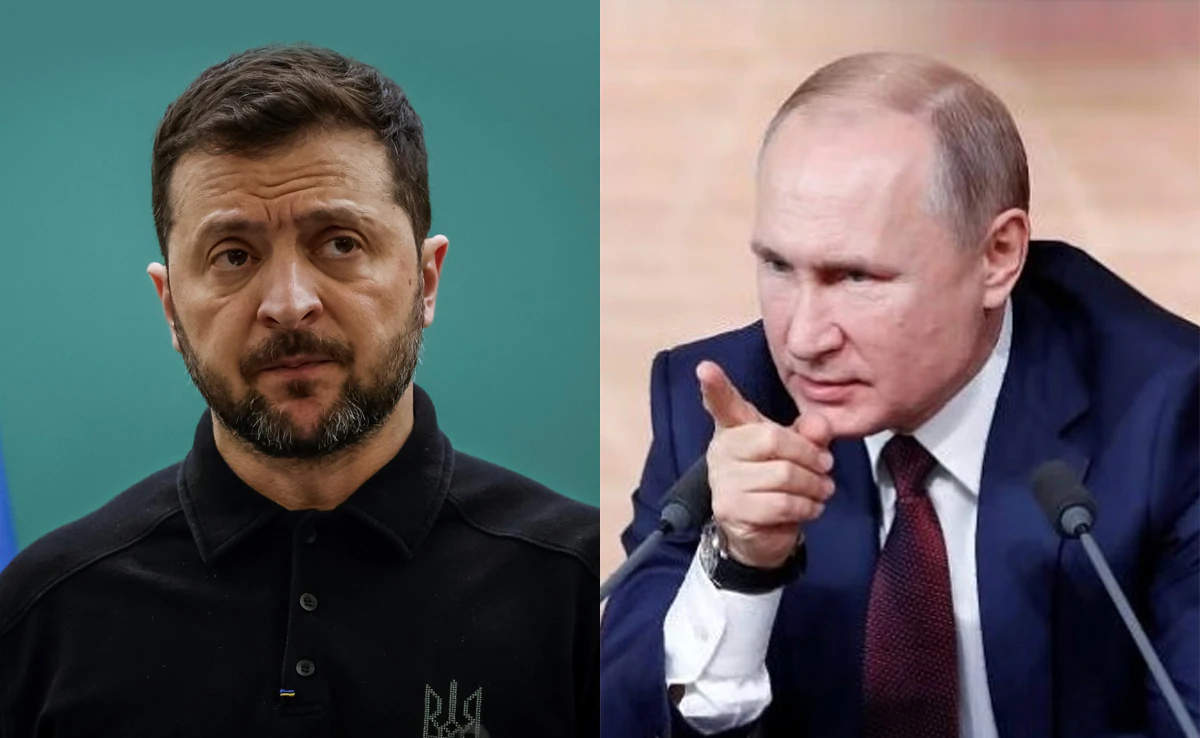
A former senior policy advisor at the U.S. State Department expressed skepticism about the likelihood of a near-term meeting between Russian President Vladimir Putin and Ukrainian President Volodymyr Zelensky, despite U.S. claims of progress toward such talks. David Salvo, now Managing Director of the Alliance for Securing Democracy at the German Marshall Fund, argued that Putin’s refusal to recognize Zelensky as Ukraine’s legitimate leader and Russia’s insistence on maximalist demands make a summit “extremely low” in probability. This statement comes amid U.S. efforts to broker peace in the ongoing Russia-Ukraine war, with President Trump announcing arrangements for a bilateral or trilateral meeting following his August 2025 meetings with Putin and Zelensky. This article explores the context of Salvo’s assessment, its implications, challenges, and opportunities for resolving the conflict.
Context of the Statement
Background of the Proposed Meeting
-
U.S. Diplomatic Push: On August 18, 2025, Trump met Zelensky and European leaders at the White House, following his August 15 summit with Putin in Anchorage, Alaska. Trump announced plans for a Putin-Zelensky meeting, potentially including himself, to negotiate an end to the war, which has killed hundreds of thousands since February 2022.
-
White House Claims: The White House stated on August 19, 2025, that Putin had agreed to the meeting, projecting confidence in a summit to address ceasefire terms and territorial disputes. Trump emphasized flexibility from both leaders to achieve peace.
-
Russian Position: Russian Foreign Minister Sergey Lavrov clarified on August 22, 2025, that any meeting requires a prepared agenda, with lower-level talks needed first. The Kremlin later indicated on June 3, 2025, that a trilateral meeting with Trump was unlikely soon, emphasizing technical preparations.
David Salvo’s Assessment
-
Skepticism on Meeting: Salvo argued that the possibility of a Putin-Zelensky meeting in the near future is “extremely low” due to Putin’s view that Zelensky is not Ukraine’s legitimate leader, a stance rooted in Russia’s claim that Zelensky’s presidency expired in May 2024. Salvo suggested Putin would only meet if Zelensky were prepared to capitulate to Russia’s demands.
-
Russian Demands: Russia insists on Ukraine’s withdrawal from Donetsk and Luhansk, a freeze on southern frontlines in Zaporizhzhia and Kherson, and exclusion of NATO forces from Ukraine post-settlement, conditions Salvo deems unacceptable to Kyiv without robust security guarantees.
-
Preparatory Talks: Salvo noted Russia’s requirement for lower-level negotiations between Russian and Ukrainian delegations before any summit, further delaying high-level engagement.
Broader Diplomatic Efforts
-
European Involvement: European leaders, including UK Prime Minister Keir Starmer, French President Emmanuel Macron, and German Chancellor Friedrich Merz, met Trump on August 18, 2025, but failed to align U.S. and European visions on Ukraine’s security, highlighting a “massive gap” in priorities, per Salvo.
-
Previous Talks: The last Putin-Zelensky meeting occurred in 2019, yielding limited results. Recent lower-level Russia-Ukraine talks in Istanbul on June 2, 2025, achieved a prisoner exchange and body repatriation but no ceasefire, underscoring ongoing diplomatic hurdles.
Implications of Salvo’s Assessment
Diplomatic Impact
-
U.S. Mediation Challenges: Salvo’s skepticism highlights difficulties in Trump’s peace initiative, as Russia’s refusal to engage directly with Zelensky undermines U.S. efforts to broker a summit, potentially weakening American diplomatic leverage.
-
European Disalignment: The failure of European leaders to sway Trump from his Alaska agreement with Putin, as noted by Salvo, suggests fragmented Western support for Ukraine, complicating ceasefire negotiations.
-
Ukrainian Position: Zelensky’s insistence on territorial integrity and NATO-aligned security guarantees, coupled with his skepticism of Russian intentions, aligns with Salvo’s view that a meeting is unlikely without significant concessions.
Geopolitical Consequences
-
Prolonged Conflict: Russia’s belief in its military advantage, as Salvo emphasized, suggests Moscow prefers to continue fighting to gain more territory, delaying peace talks and escalating casualties, estimated at 500,000 by August 2025.
-
Sanctions Dynamics: Salvo indicated that U.S. secondary sanctions on countries like India and China for engaging with Russia may persist, though the Trump administration appears less focused on enforcement, potentially affecting global trade alignments.
Regional Stability
-
Security Guarantees: Ukraine’s demand for legally binding security assurances, akin to NATO’s Article 5, clashes with Russia’s anti-NATO stance, making compromise difficult, as Salvo noted.
-
Territorial Disputes: Russia’s proposal for Ukraine to withdraw from Donetsk and Luhansk in exchange for frozen southern frontlines is unacceptable to Kyiv without de jure recognition guarantees, per Salvo, prolonging territorial tensions.
Challenges
Diplomatic Hurdles
-
Russian Intransigence: Putin’s refusal to acknowledge Zelensky’s legitimacy and insistence on preparatory talks, as Salvo highlighted, create significant barriers to organizing a summit.
-
Western Disunity: The “massive gap” between U.S. and European positions on ceasefire sequencing and security guarantees complicates mediation efforts, risking stalled negotiations.
-
Ukrainian Skepticism: Zelensky’s view that Russia is “wriggling out” of talks, coupled with his survival of alleged assassination attempts, reduces trust in Russian commitments.
Operational Constraints
-
Logistical Complexities: Even if agreed, a summit requires extensive planning for venue (e.g., Switzerland or Budapest) and security, with preparations potentially taking months, as noted by analysts.
-
Agenda Clarity: Russia’s demand for a clear agenda, as per Lavrov’s August 22 statement, delays talks, as both sides remain far apart on issues like NATO and territorial control.
Geopolitical Risks
-
U.S. Policy Uncertainty: Salvo’s concern that the U.S. might pressure Ukraine to accept Russia’s terms risks alienating Kyiv, potentially weakening NATO unity and emboldening Russia.
-
Russian Military Strategy: Russia’s belief in its battlefield advantage, as Salvo noted, incentivizes continued aggression, with 2025 seeing intensified attacks, including Russia’s largest August assault on Ukraine.
Opportunities
Diplomatic Progress
-
U.S. Leadership: Despite Salvo’s doubts, Trump’s ability to engage both leaders directly offers a unique chance to initiate dialogue, potentially paving the way for lower-level talks to build trust.
-
European Advocacy: European leaders could bridge the U.S.-Ukraine gap by proposing compromise security frameworks, aligning with Salvo’s call for credible guarantees.
Conflict Resolution
-
Ceasefire Potential: If preparatory talks succeed, as Salvo suggested, a limited ceasefire could precede broader negotiations, reducing casualties and stabilizing frontlines.
-
Land Swap Compromise: Salvo’s view that Kyiv might accept a land swap without de jure recognition of Russian control, if paired with U.S.-backed guarantees, offers a pathway to partial resolution.
Global Stability
-
Sanctions Leverage: Continued U.S. sanctions, as Salvo noted, could pressure Russia to negotiate, especially if bipartisan Congressional support targets Russia’s enablers.
-
Regional Mediation: Neutral venues like Switzerland or Hungary, proposed for talks, could facilitate dialogue, leveraging international mediators to ensure progress.
Comments are closed.