
FAA Delays More Flights in New York, Houston, and Washington Amid System Strain and Staffing Shortages

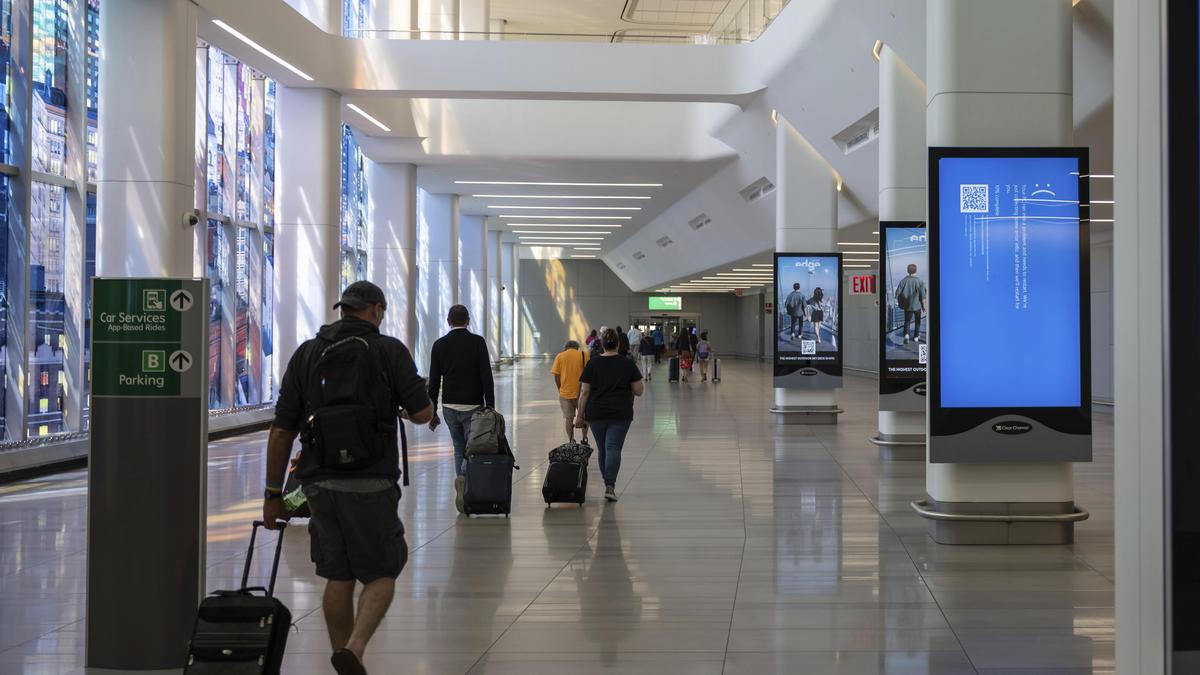
Air travel chaos continued to unfold across the United States this week as the Federal Aviation Administration (FAA) announced further flight delays affecting major airports in New York, Houston, and Washington, D.C. The disruptions — described by officials as “precautionary but necessary” — have left thousands of passengers stranded and airlines scrambling to adjust schedules.
According to FAA statements, the latest wave of delays stems from a combination of air traffic control staffing shortages, technical congestion in radar systems, and poor weather conditions over the East Coast and parts of the South. The agency has temporarily reduced the number of takeoffs and landings per hour at several key airports, including JFK and LaGuardia in New York, Bush Intercontinental in Houston, and Reagan National in Washington.
‘Safety First,’ Says FAA
In an official briefing, the FAA reassured the public that safety remains its top priority. “We are working diligently to balance the flow of air traffic while ensuring every aircraft operates under the highest safety standards,” said FAA spokesperson Lauren Mitchell. “These adjustments are not about inefficiency — they’re about prevention.”
While the FAA has not cited a single cause for the widespread disruption, insiders say the agency has been struggling to keep up with post-pandemic travel surges. Many air traffic control centers are operating below optimal staffing levels, forcing controllers to manage heavier workloads under intense pressure.
Passengers Face Long Waits and Mounting Frustration
At airports across the affected cities, long lines, crowded terminals, and confusion have become the norm. Many passengers expressed frustration over a lack of clear communication from airlines.
“It’s the third delay today,” said Jessica Martin, a traveler at LaGuardia. “They keep saying it’s an FAA issue, not the airline. But all we know is we’re stuck here.”
Airlines, for their part, have attempted to ease tensions by offering meal vouchers and rebooking options, but logistical bottlenecks have made recovery slow. Some flights have been rerouted through secondary hubs like Philadelphia, Atlanta, and Dallas, leading to further congestion across the national air network.
Experts Warn of Growing Strain on U.S. Air System
Aviation experts say the current disruptions highlight deeper structural problems in the U.S. air traffic system. Decades of underinvestment, combined with a surge in both commercial and private air travel, have stretched resources thin.
“America’s skies are busier than ever, but our infrastructure hasn’t kept pace,” said Dr. Robert Kane, an aviation analyst. “The FAA’s systems are modernizing, but not fast enough to meet rising demand.”
The FAA has been implementing a NextGen modernization program, designed to upgrade radar and navigation technology, but progress has been uneven due to budget constraints and technical delays.
Political Pressure Mounts
Members of Congress have begun calling for an emergency review of the FAA’s operational capacity. Several lawmakers from New York and Texas urged the Transportation Department to prioritize funding for staffing and technology.
“This is not just an inconvenience — it’s an economic issue,” said Representative Linda Martinez of New York. “When flights are grounded, business stalls. We need urgent reform.”
Looking Ahead
The FAA has not given a firm timeline for when normal operations will resume but has assured passengers that it is “working around the clock” with airlines to stabilize the situation.
For now, travelers are being advised to check flight statuses frequently, arrive early, and prepare for potential rebookings or cancellations.
As one weary traveler at Reagan National put it, “Flying in America these days feels like a gamble — you never know if you’ll take off on time or at all.”
The latest delays serve as yet another reminder of the fragile state of U.S. aviation infrastructure — and the urgent need to modernize the system before the next wave of turbulence hits.
Comments are closed.