
Extreme Weather + Rising Seas + Sinking Land: New Study Warns of Far Bigger Floods for Coastal Cities by 2100

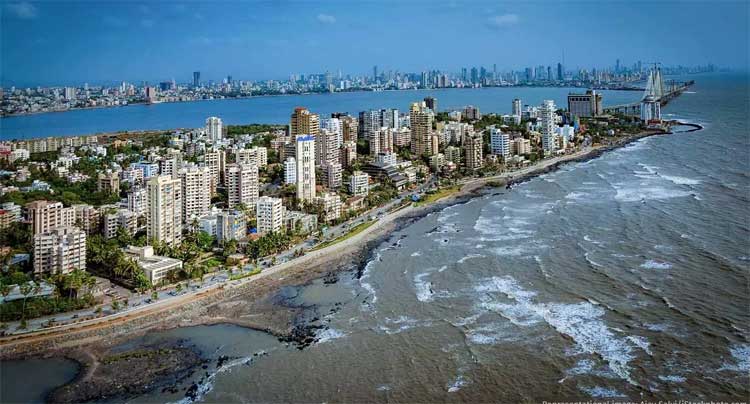
Coastal cities across the world have been issued a stark warning: a dangerous combination of extreme weather, rising sea levels and rapidly sinking land could drastically worsen flooding by the end of this century.
The alert comes from a new international study that, while centred on Shanghai, highlights severe risks facing major delta cities globally — from Jakarta and Bangkok to New Orleans and Kolkata.
Storm Surges + River Flooding: A Deadly Mix
Shanghai’s geographical position on low-lying delta land makes it particularly vulnerable. The city frequently faces strong typhoons that push massive storm surges and high waves toward its coast. When these storms occur alongside elevated water flows from the Yangtze River, the result can be catastrophic.
A stark example is Typhoon Winnie in 1997, when the simultaneous arrival of storm surges and heavy river discharge caused widespread flooding.
The latest study — conducted by researchers from the University of East Anglia, Shanghai Normal University, the University of Southampton and several global partners — is the first comprehensive assessment that examines all major drivers of delta-city flooding.
Floods May Expand by Up to 80% by 2100
The findings are alarming. When combining climate change, sea-level rise and land subsidence, researchers project that flood-affected areas in Shanghai could grow by up to 80% by the end of the century.
Modelling based on 10 historic typhoons shows that future storm events are likely to become far more destructive than anything recorded so far.
“An extreme, one-in-200-year typhoon event could inundate an area up to 80% larger by 2100,”
— Prof. Min Zhang, Shanghai Normal University
Beyond wider flooding, deeper water levels could also put immense strain on existing flood defences. The study warns that rising water levels significantly increase the risk of defence failures — the kind that devastated New Orleans during Hurricane Katrina in 2005.
A Call for Stronger, Layered Defences
Researchers say the only way to prevent future disaster is through large-scale adaptation. This may involve raising embankments, implementing advanced floodwalls and deploying mobile storm barriers similar to London’s iconic Thames Barrier.
Lead author Professor Robert Nicholls emphasised that the study’s implications extend far beyond Shanghai:
“These findings matter for every coastal city, especially delta regions. The risk of defence failure — the ‘polder effect’ — is not fully appreciated and must be central to future planning.”
He argues that depending on a single line of defence is no longer viable. Instead, cities must adopt layered protection systems to ensure resilience against evolving climate threats.
A Global Warning
As climate change accelerates, urban planners, governments and disaster-management bodies worldwide will need to prepare for a future where today’s “rare” flood events could become far more frequent — and far more devastating.
The message from the study is clear:
Coastal cities must act now, or risk facing unprecedented floods in the coming decades.
Comments are closed.